In a seismic shift for Guinea’s turbulent politics, the opposition coalition led by economist Dr. Fatoumata Diallo has claimed victory in the nation’s long-awaited presidential election, ending eight years of junta rule under Colonel Mamady Doumbouya. With 52% of votes tallied as of early Tuesday, Diallo’s alliance surged ahead, prompting wild celebrations across Conakry and calls for unity from the outgoing leader.
The streets of the capital erupted Monday night as results flooded radio waves and social media. Drums pounded in Madina market, motorbike convoys snaked through palm-lined avenues, and families danced to reggae anthems echoing Bob Marley’s call for “One Love.” “This is our redemption,” said Mamadou Bangoura, a 28-year-old fisherman whose brother was briefly detained during pre-election protests. “Years of economic hardship—rising rice prices, jobless youth—end today.”
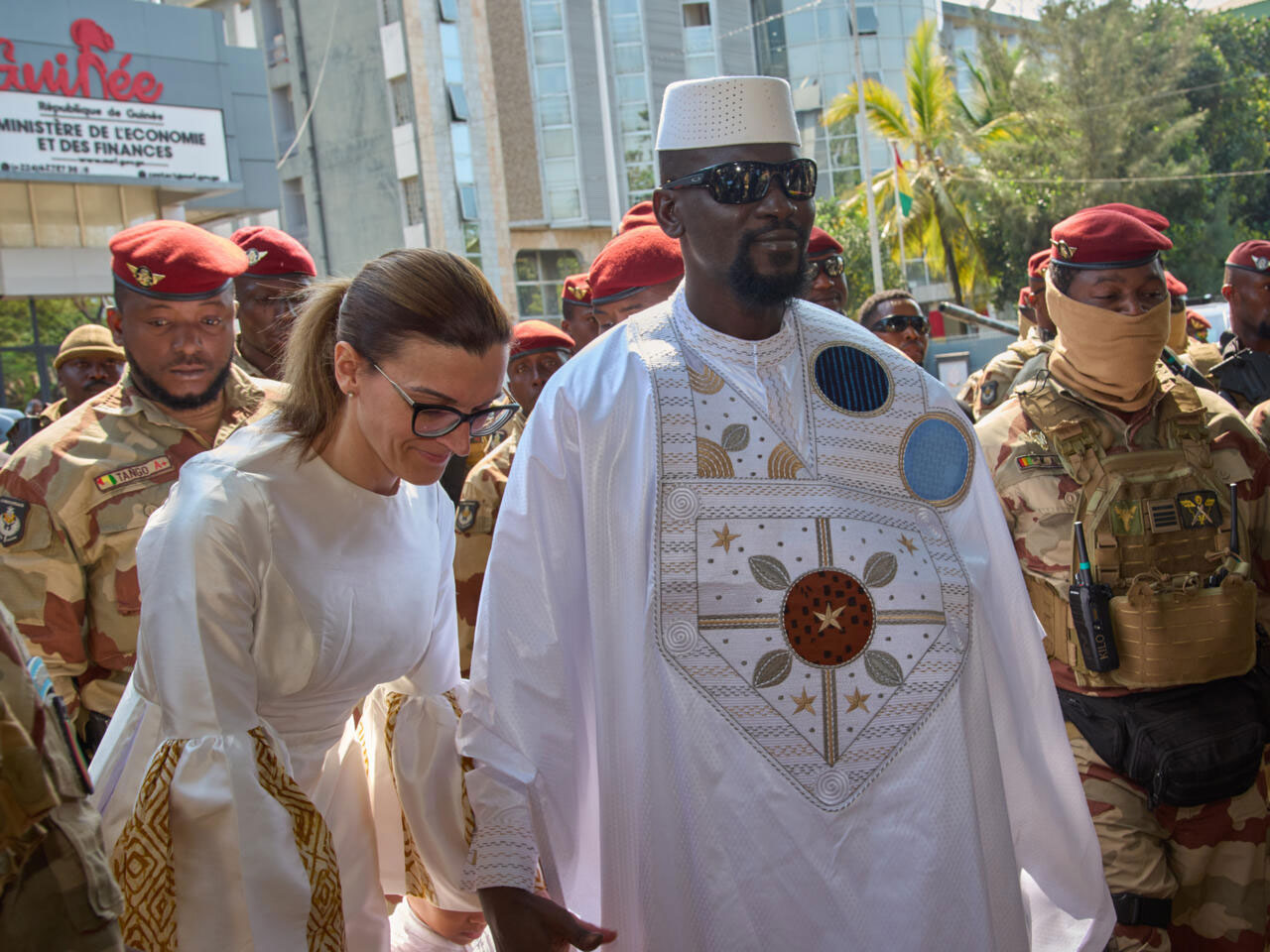
Doumbouya, who seized power in a 2021 coup against veteran President Alpha Condé, conceded gracefully in a televised address. “The people have spoken. We pledge a peaceful transition,” he said, flanked by military brass. The junta had promised civilian rule by 2025, but delays fueled skepticism. ECOWAS observers praised the vote’s transparency, though isolated clashes in Kindia reported five injuries from tire-burning skirmishes.
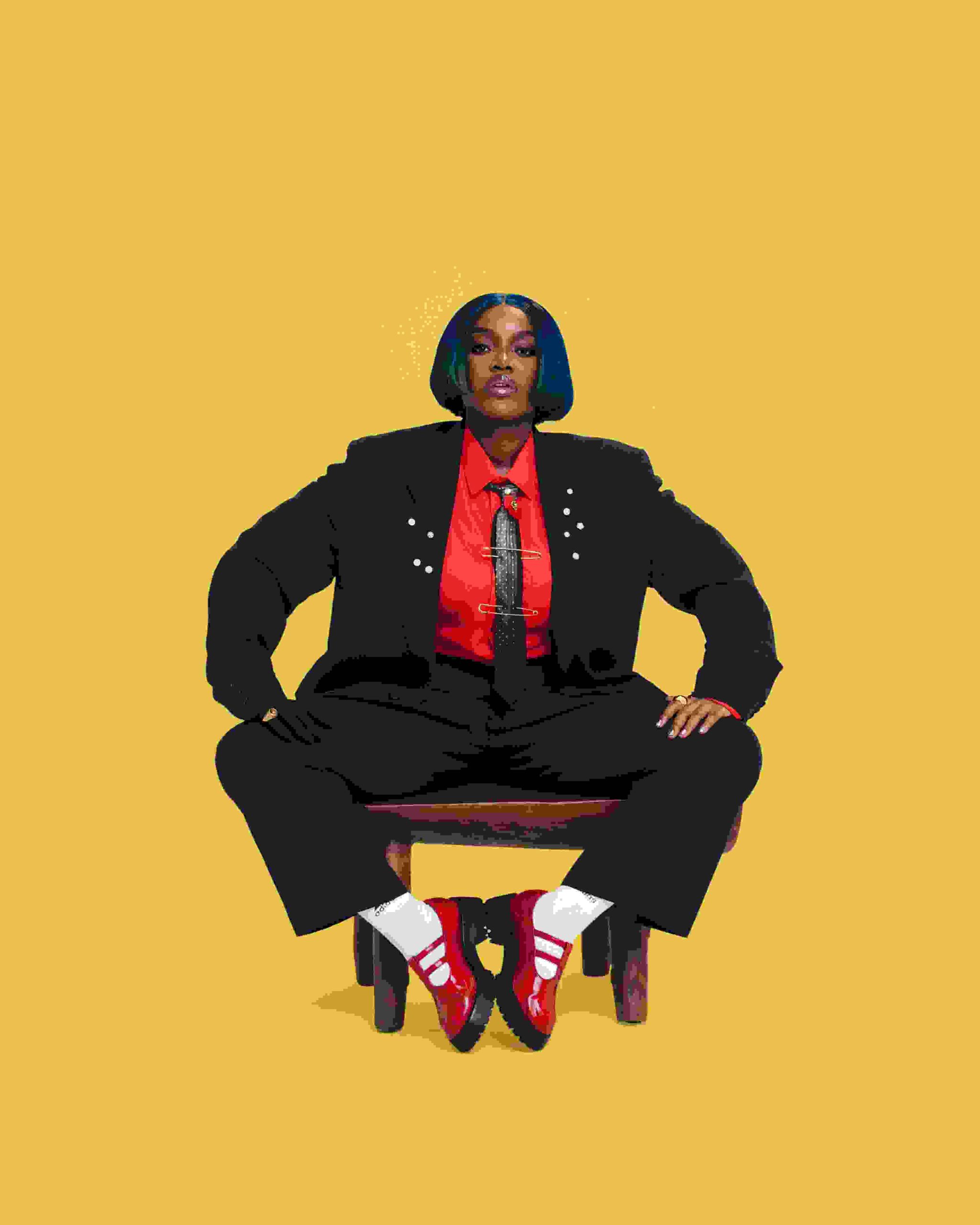
Diallo, 45, a former World Bank advisor from the Fouta Djallon highlands, campaigned on anti-corruption and diversification beyond bauxite exports. “Guinea rises for all—from coast to forest,” she declared to roaring crowds at the People’s Palace. Her win bridges ethnic divides, blending Fulani support with coastal Malinke backing.
Key Impacts at a Glance
| Sector | Projected Change |
|---|---|
| Economy | Debt relief push; agriculture boost to curb inflation |
| Youth | Job programs targeting 70% unemployment |
| Regional | ECOWAS reintegration; stable borders with Sierra Leone |
Yet challenges loom. Hyperinflation lingers, and opposition rivals eye parliamentary seats. International partners, including the African Union, urge restraint. In Labé, Diallo’s hometown, kora players hailed the dawn with traditional sôkô dances.
For Guineans like Aissata Touré, a market vendor, hope trumps fear. “Our net is full,” she laughed, echoing fisherfolk proverbs. As fireworks lit Conakry’s skyline, a new chapter beckons—one of promise, if fragile.