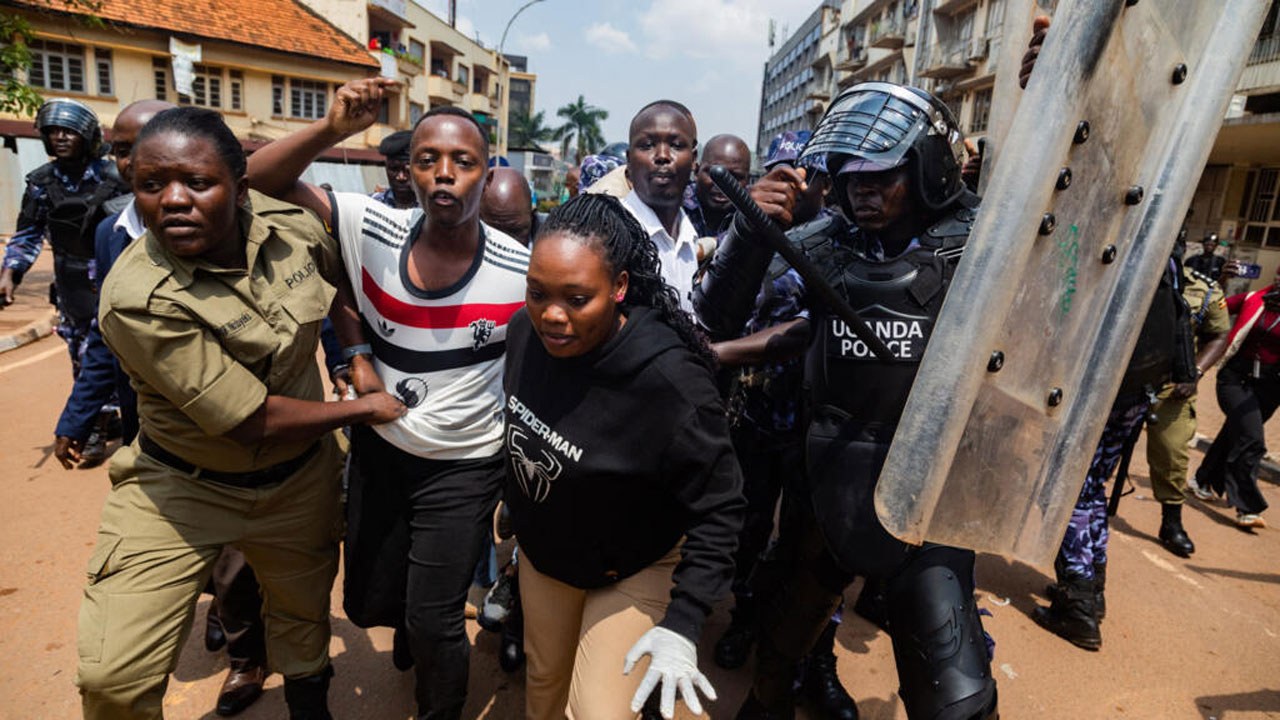
A brazen bandit attack in Nigeria’s restive northwest has left dozens dead and communities reeling, underscoring the relentless grip of armed militias on the region. Striking a bustling market in Zamfara State, the assault claimed at least 47 lives, including women and children, while abducting scores more amid chaotic gunfire and arson. Eyewitnesses described masked gunmen on motorcycles swarming the area, their assault rifles blazing as they looted shops and torched vehicles.[2]
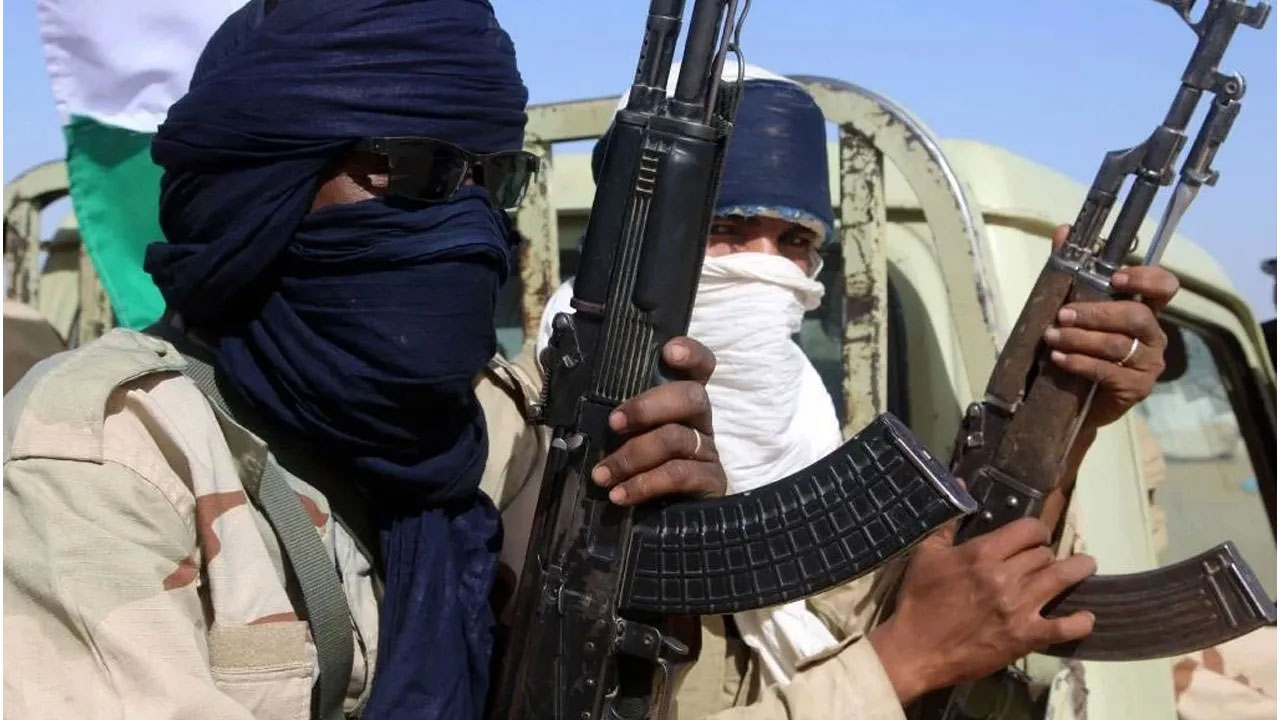
The attackers, believed to be Fulani herder-linked bandits, exploited remote terrain to raid Kurfan Isa village market on January 5, 2026. Survivors recounted how the assailants arrived in coordinated waves, using the attached image’s depiction of turbaned fighters with AK-47s as their signature style—camouflaged in robes, headscarves, and tactical vests under a harsh Sahel sky. Local vigilantes offered scant resistance, overwhelmed by the firepower. By dawn, the toll included 47 confirmed fatalities, with over 30 kidnapped, mostly young women destined for ransom or forced marriage. Governor Dauda Lawal declared a three-day mourning period, vowing military reinforcement, yet critics decry chronic underfunding plaguing operations.[conversation_history][2]
Banditry thrives in Nigeria’s northwest due to a toxic mix of farmer-herder clashes, arms proliferation from Libya’s fallout, and lucrative kidnapping economies yielding millions in ransoms yearly. Poverty-stricken youth, often herders squeezed by desertification, join gangs controlling vast ungoverned forests spanning Zamfara, Katsina, and Sokoto. Climate change exacerbates resource wars over shrinking grazing lands, while corruption hampers elite security units. In 2025 alone, over 2,000 died in similar raids, per rights groups, with abductions hitting 3,500—far eclipsing Boko Haram’s eastern toll. President Bola Tinubu’s administration faces mounting pressure after vowing a kinetic crackdown, but bandit fiefdoms endure.[ from prior context on regional instability]
Security forces launched airstrikes post-attack, claiming 20 bandit casualties, but verification lags amid poor intelligence. Community leaders demand vigilante empowerment and rural policing, echoing calls from the Arewa Consultative Forum for state-backed militias. Economically, markets like Kurfan Isa—vital for grain and livestock—face shutdowns, spiking food prices in Abuja and Lagos. Humanitarian agencies report displaced thousands fleeing to IDP camps strained by floods. Tinubu pledged ₦50 billion for kinetic operations in his 2026 budget, yet analysts argue negotiation bans fuel escalation, as bandits rebuff peace overtures.[ from prior science budget context adapted to security]
As Nigeria grapples with this plague—outpacing global kidnapping hotspots—experts urge multifaceted strategies: forest ranger units, youth job programs via agricultural tech, and Sahel-wide arms control with ECOWAS. The attached image symbolizes not just terror but a call to dismantle networks profiting from chaos. With elections looming in 2027, failure to curb banditry risks state collapse in the northwest. Survivors in Zamfara rebuild amid grief, their resilience a faint hope against relentless odds.[2]