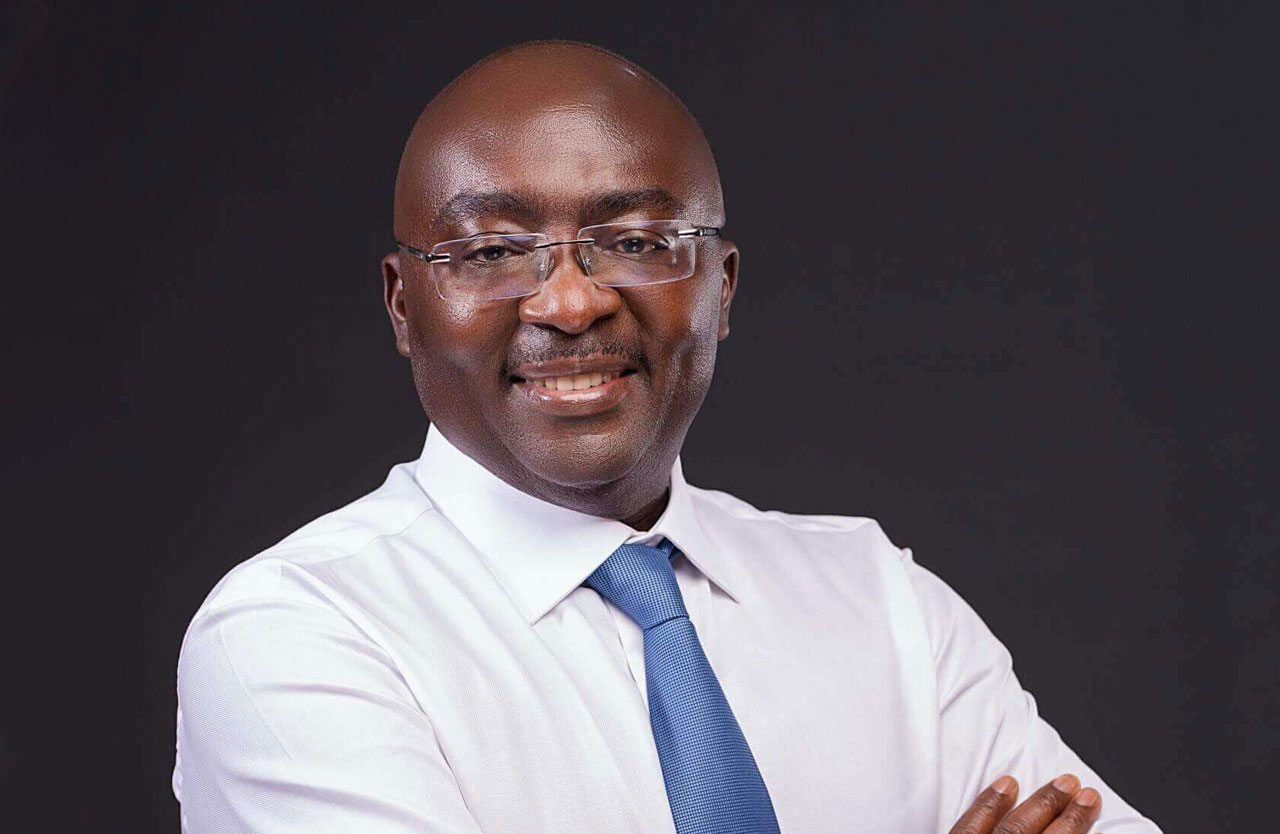
Dr Mahamudu Bawumia’s bid to lead the New Patriotic Party (NPP) into the 2028 elections has become the central force shaping the party’s internal politics, drawing in MPs, regional power brokers and grassroots organisers as the January 31, 2026 presidential primary approaches. His campaign has turned the NPP’s internal race into a test of continuity, unity and electoral strategy after two consecutive terms in national government.
Within the party, Bawumia is widely framed as the establishment favourite, leveraging his record as former Vice President and 2024 presidential candidate to argue that he is the most prepared and marketable option for 2028. Over 60 NPP Members of Parliament have already publicly endorsed him, a show of elite backing that his team presents as evidence of an organised and disciplined front around his candidacy. At the same time, his camp insists its focus is on an issue‑based, nationwide campaign that speaks directly to delegates, rather than relying solely on endorsements from the parliamentary caucus and party hierarchy.
The internal contest, however, is far from a coronation. Bawumia faces competition from figures such as Kennedy Agyapong, Bryan Acheampong and Yaw Osei Adutwum, all of whom appeal to different strands within the NPP’s base and have their own regional and factional strongholds. Tensions have occasionally surfaced around claims of who financed the party in previous election cycles and around MPs’ public endorsements, prompting Bawumia’s team to stress respect for internal democracy and every member’s right to choose a candidate. Yet rivals such as Acheampong have also signalled that, whatever the outcome, they will support the eventual winner, reflecting awareness that disunity could weaken the party’s chances against the governing NDC in 2028.
Strategically, Bawumia has intensified a nationwide tour, meeting delegates across regions and positioning himself as the continuity candidate who can build on the NPP’s legacy in digitalisation, macroeconomic management and governance reforms. His message increasingly links party fortunes to his personal brand, arguing that his popularity, experience and policy record make him best placed to recapture power at the national level. Polls cited by his campaign, including surveys that place him well ahead of his closest internal rival, are being used to reinforce the narrative that choosing him is the safest path to victory in 2028, particularly in swing regions such as Greater Accra.
As balloting for the primary placed Bawumia in the number three position on the internal ballot, his supporters have cast this as symbolically aligning with the idea of him becoming the NPP’s third president under the Fourth Republic, after John Agyekum Kufuor and Nana Addo Dankwa Akufo‑Addo. With youth organisers, MPs and regional blocs gradually declaring their choices, the January 2026 vote is shaping up as a referendum on whether the NPP doubles down on its recent leadership trajectory or opts for a different face and style heading into a high‑stakes 2028 general election.