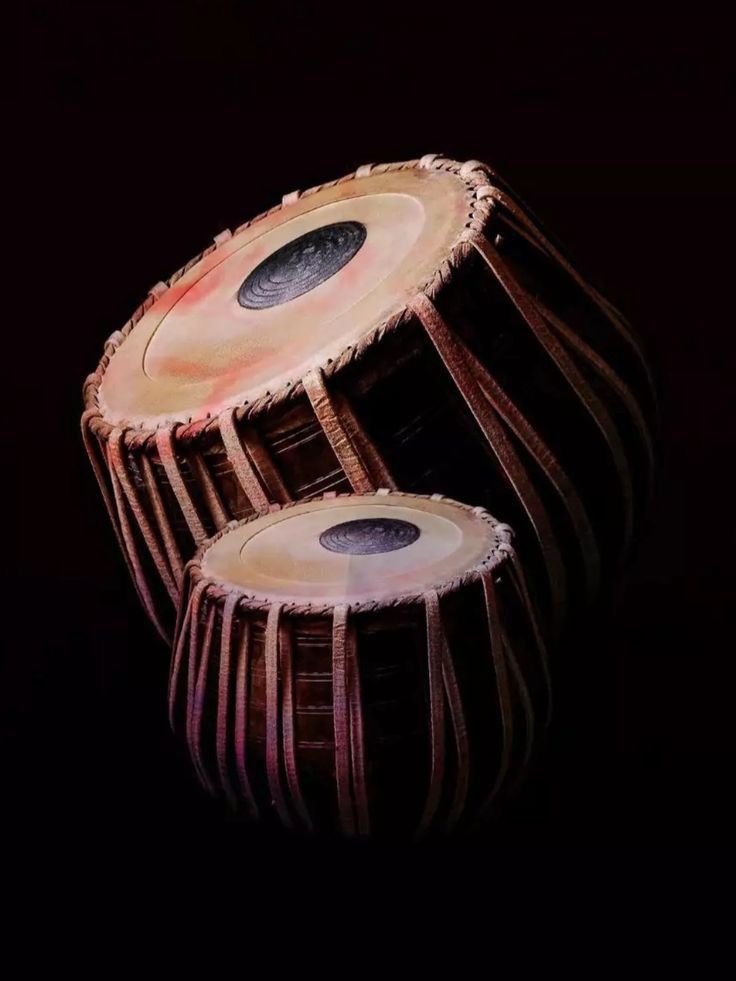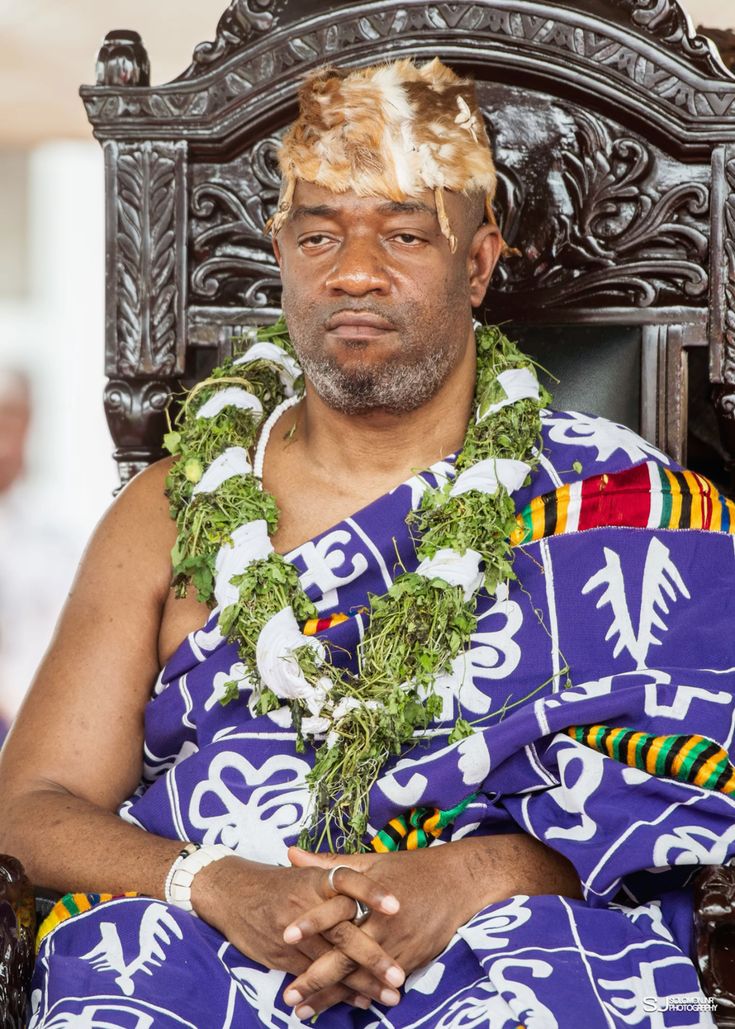

Drumming and dance form the rhythmic heartbeat of Ghanaian culture, deeply embedded in the lives of its indigenous peoples for centuries. These vibrant expressions, passed down through generations, serve as storytelling mediums, spiritual conduits, and communal celebrations that unite communities across the nation’s diverse ethnic tapestry.
Historical Roots
Drumming and dance trace back over 500 years among Ghana’s indigenous groups, evolving from ancient rituals honoring ancestors, deities, and harvests. Archaeological evidence from sites like Begho links early percussion instruments to Akan gold-weight traditions, while oral histories describe rhythms guiding warriors into battle or marking royal funerals, preserving identity amid colonial disruptions.
Kpalongo and Ga Traditions
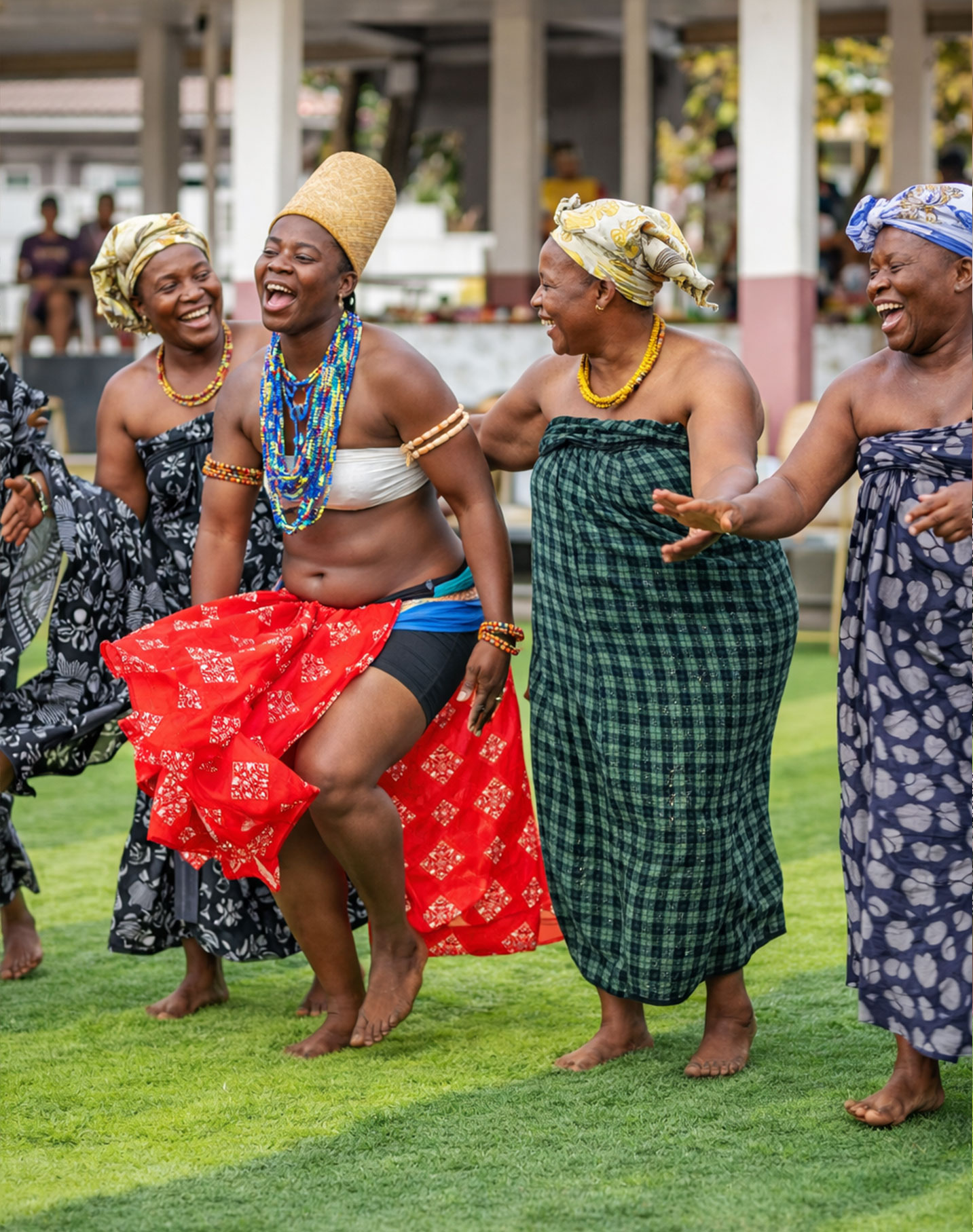
Among the Ga people of coastal Accra, drumming and dance shine through kpalongo (or kpele), a highlife-infused style blending talking drums like the fontomfrom with energetic agbadza-like steps. Kpalongo rhythms mimic speech patterns to narrate proverbs and social commentary, central to festivals like Homowo, where dancers in vibrant kente leap dynamically, fostering unity and resistance against urban homogenization—much like the joyful group captured mid-jump.
Akan Contributions
The Akan, dominant in the south, elevate drumming with elaborate fontomfrom ensembles of bass and treble drums during durbar ceremonies. Dances like adowa convey royal etiquette and grief, using subtle hand gestures to symbolize proverbs, reinforcing Ashanti hierarchical values and spiritual harmony.
Northern and Ewe Highlights
In northern Ghana, Dagbamba damba drumming features the gyilli lunge drum in warrior dances, echoing nomadic Sahelian influences for rainmaking rites. The Ewe of the Volta region master agbadza, a war-derived dance with intricate atsimevu master drums, where polyrhythms drive explosive footwork, embodying resilience post-enslavement transatlantic traumas.