Wulomei’s 1972 revival profoundly shaped Homowo, infusing Ga harvest festivals with authentic gome polyrhythms, rituals, and proverbs that reclaimed spiritual depth for modern celebrants. Traditionally “hooting at hunger,” Homowo gained theatrical punch from Wulomei’s stagecraft—white-clad ensembles processing with giant gome, flutes wailing sea spirits, call-response mocking famines via layered chants.
Performances at Gamashie squares set tones, opening with kolomashie parades echoing 1500s fishing songs, drummers in kente invoking Nakpee goddess before kenkey feasts. Youth groups like Dzadzeloi replicated, turning quarters into rhythmic sanctuaries countering highlife dilution. Proverbs embedded—”Harvest laughs at yesterday’s hunger”—critiqued urbanization, fostering decolonization.
By 1975, Wulomei headlined Homowo durbars, their “Drum Conference” tracks becoming anthems; 2014 revivals thrilled with white-attire acts alongside hiplife. Influence spread: Tempos-inspired highlife bands added gome segments, globalizing Homowo via tours. Festivals now feature Wulomei-style youth troupes, preserving migration tales amid climate threats to fishing.
This elevated Homowo from family rite to Accra spectacle, drawing tourists and embedding Ga pride. Annual noise-ban lifts unleash gome thunder, sustaining cultural heartbeat.
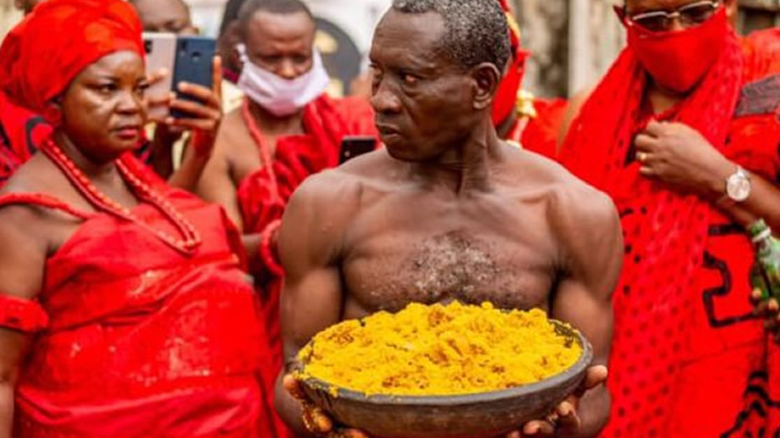
See Homowo Wulomei thrills [video:4 from ][image:5 festival procession]. Costume rituals.