

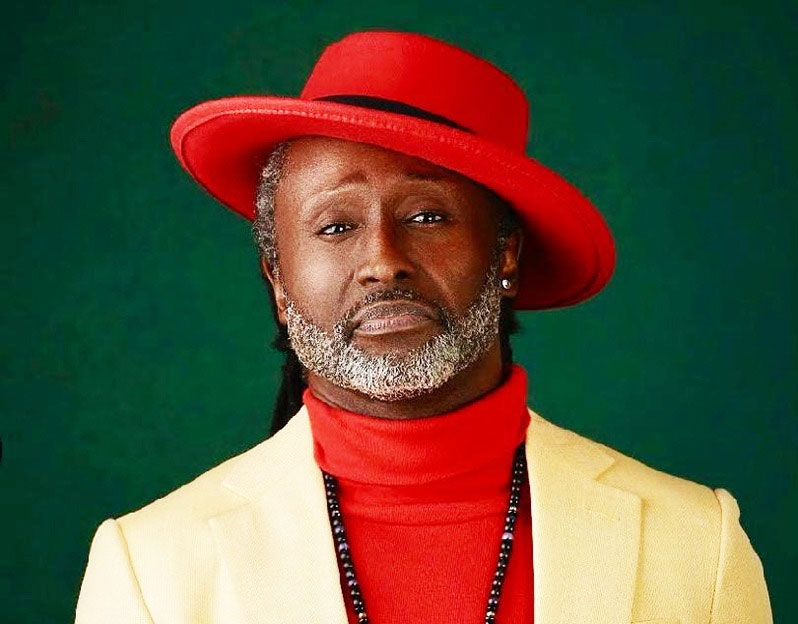
The 1990s introduced hiplife, pioneered by Reggie Rockstone’s 1997 hit “Agoo,” merging highlife with hip-hop and Twi rap, reflecting urban youth culture. Reggie Rockstone, Gyedu-Blay Ambolley, and later Sarkodie and Samini propelled it to dominance, spawning subgenres amid economic liberalization. This fusion captured Ghana’s globalizing identity, rivaling Nigeria’s Afrobeat.
08
Jan
2026
Hiplife Revolution in the 1990s
Related Posts
Shaping Multicultural Accra’s Vibrancy
In Accra’s diverse fabric—home to Ga, Akan, Ewe, migrants, and expats—Ga Mashie music unites through shared street vibes. Homowo festivals draw crowds blending kpokpoi meals with modern DJ sets, while trotro speakers blast fusions at kenkey joints. This multicultural synergy counters Ga land pressures from urbanization, preserving identity via sounds that bridge divides. From ancient […]
Today’s Stars Fuse Heritage with Global Hits
Contemporary giants like Black Sherif, Gyakie, Sarkodie, Shatta Wale, and Stonebwoy channel Ga Mashie into chart-toppers. Black Sherif’s drill anthems capture Bukom’s raw energy with gome-like percussion traps, while Gyakie’s melodic Afrobeats pulses nod to kolomashie complexity. Sarkodie’s bars weave Ga proverbs into hiplife-rap hybrids, Shatta Wale layers dancehall over festival drums, and Stonebwoy infuses […]
Transition to Urban Hiplife Era
The 1970s folk revival, led by groups like Wulomei and Dzadzeloi, democratized Ga music by performing in local languages at affordable events, preserving folklore amid economic hardships. This paved the way for hiplife in the 1990s, where rappers over azonto and highlife beats adopted Ga proverbial “punophemisms” for clever social critiques, making lyrics resonate across […]