
What is known about the migration of the Ga-Dangbe ethnic group is preserved predominantly through oral history, and accounts vary slightly by source. These variations reflect differences in transmission across generations rather than a fundamental disagreement about the migration itself.
When considered together, these oral histories suggest a long migratory arc spanning regions both within and beyond the African continent. Some narratives trace ancestral movement as far back as the 6th century BCE, situating early origins in areas associated with modern-day Israel, before describing passage through Egypt, Ethiopia, and Sudan. From there, oral accounts describe a dispersal into multiple groups, with routes extending toward the Congo, South Africa, and the Lake Chad region.
The group most directly associated with the Ga-Dangbe of modern-day Ghana is described as migrating from Lake Chad through present-day Nigeria, Benin, and Togo, before eventually reaching Ghana. A prominent figure associated with this phase is King Nii Ayi Kushi, commonly cited in oral tradition as leading Ga groups toward settlement in the Accra Plains.
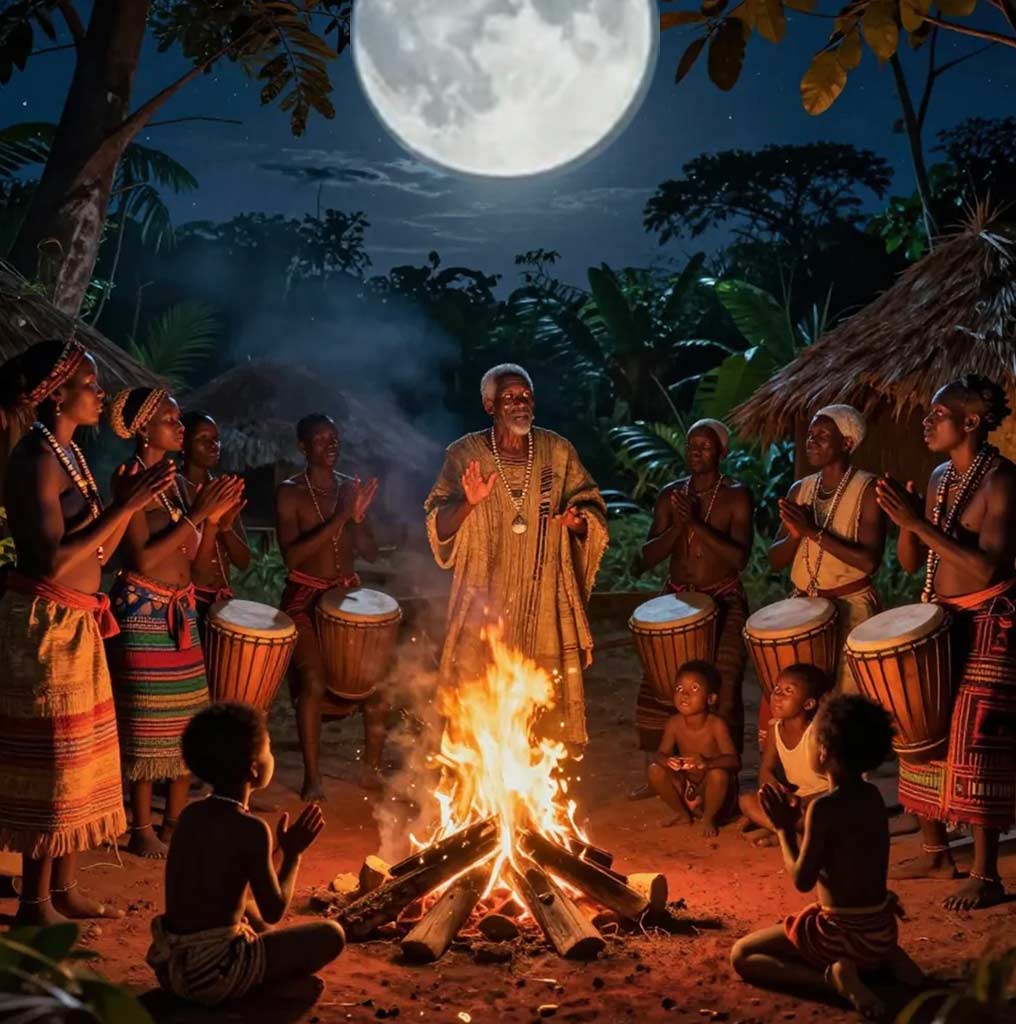
Within this context, music may be understood as one of the primary ways collective memory functioned during periods of migration. Through oral chants, call-and-response patterns, and rhythmic speech, routes, landmarks, and genealogies were encoded as communities moved and settled along their paths. In the absence of written records, these musical forms likely enabled history and shared knowledge to be preserved and transmitted across generations and settlements.
Oral chants and rhythmic speech are vocal forms that sit between speech and music in West African and Ga traditions, rather than functioning as songs in the modern melodic sense. For example, forms such as libation chants, work chants, and ritual recitations use spoken language shaped by rhythm and repetition rather than melody. Because the Ga language is tonal(4), pitch and cadence are part of how meaning is made. The same syllable can carry different meanings depending on whether it is spoken high, low, rising, or falling. This is a grammatical feature of the language, not a stylistic choice. As a result, everyday speech already contains patterned pitch and rhythm. When this speech is organised and repeated collectively, it lends itself naturally to chant-like delivery rather than melody-driven song, allowing instruction, emphasis, and memory to be embedded directly in sound.
J.H. Kwabena Nketia observed that rhythmic speech in Ghanaian traditions closely follows the tone patterns of language, making it possible for information to be remembered and passed on without written text(5). In a similar vein, John Collins observes that chant-based forms still used today in ritual, work, and social settings function less as performance and more as shared tools for memory and communication (6). Call-and-response operates as a mechanism of collective participation and verification: a lead voice introduces a phrase often informational, directive, or proverbial, which is then affirmed, repeated, or adapted by the group. Research on Ga and neighbouring musical cultures shows that this structure ensures knowledge is not privately held but publicly rehearsed, corrected, and retained through repetition.
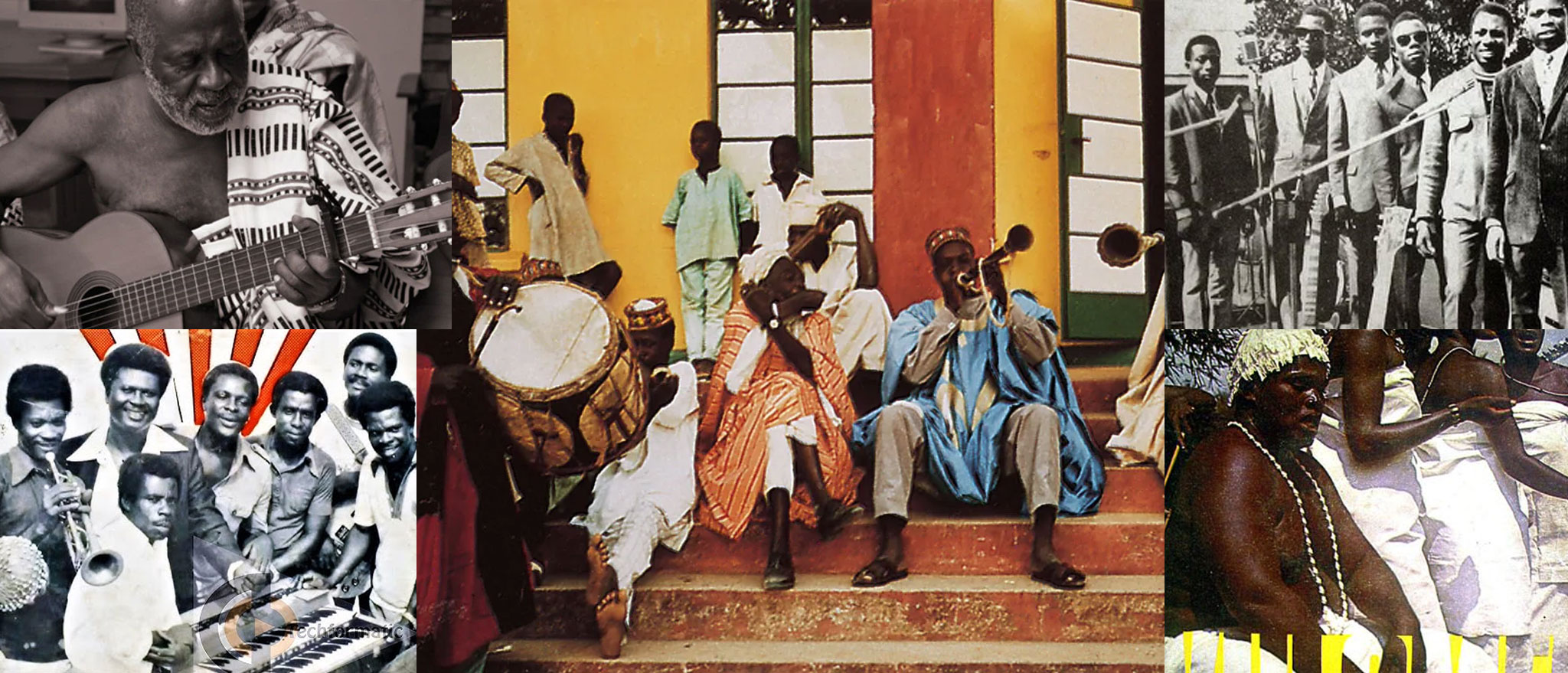
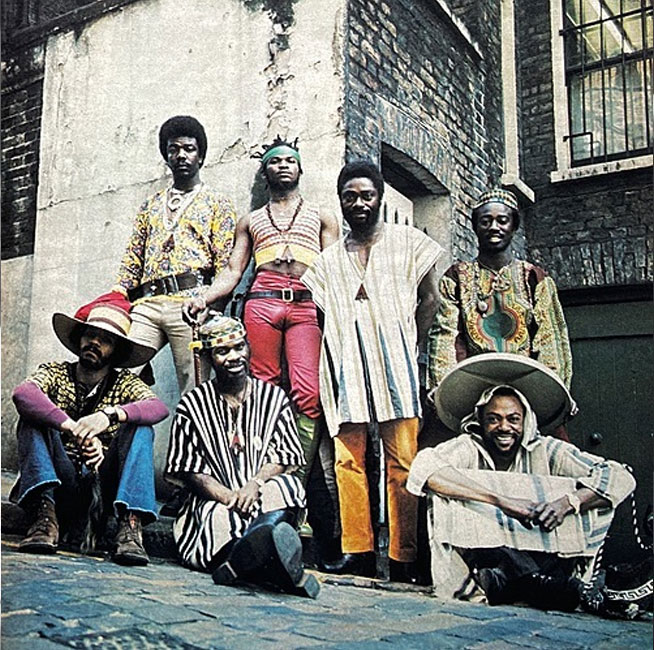
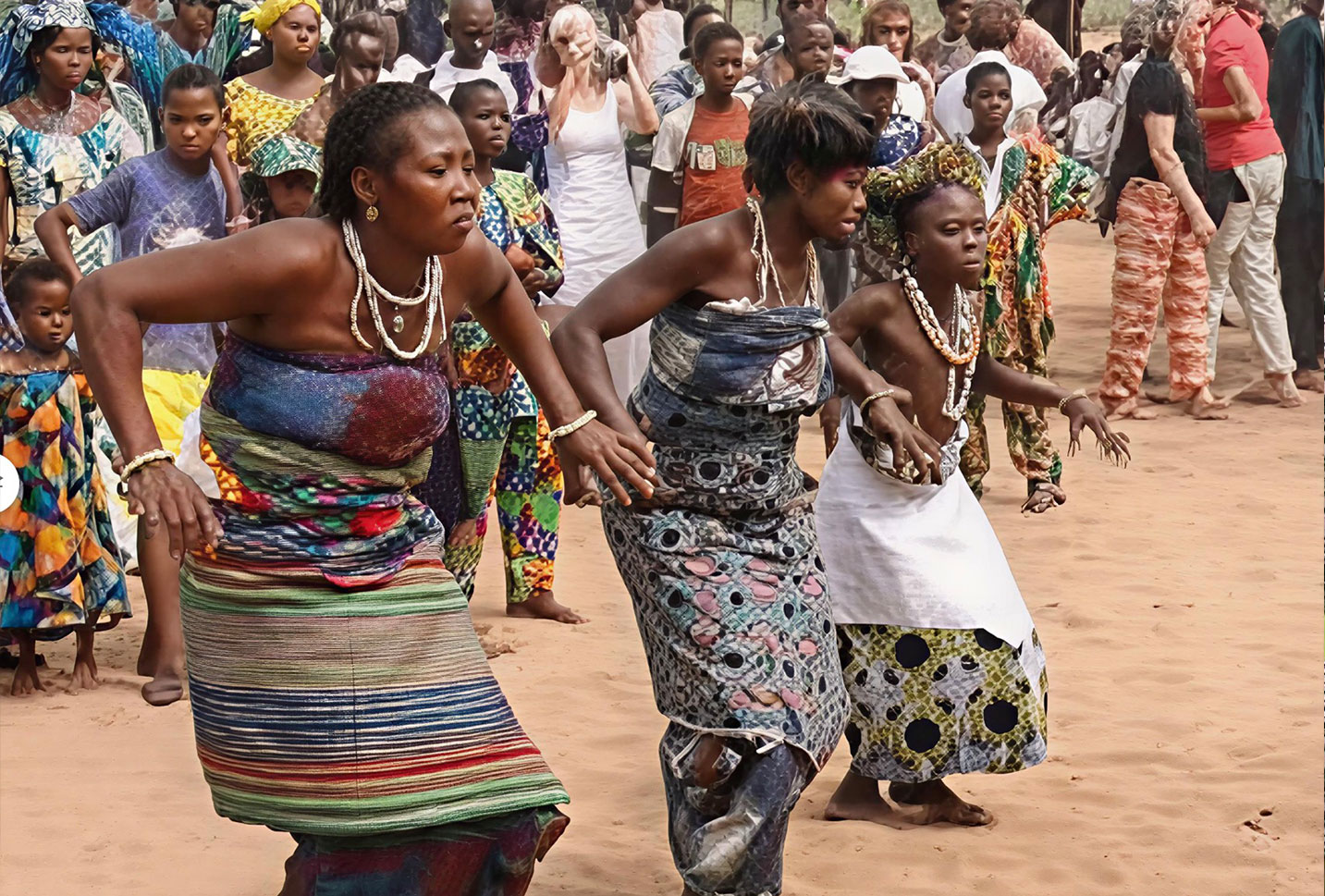

Taken together, these documented practices provide a grounded way to think about how similar vocal forms could have carried collective memory such as routes, landmarks, and genealogies, in earlier migratory contexts, without reliance on written records.
References
1. Migration Of The Ga People From Israel To Ghana [Internet]. [cited 2026 Jan 31]. Available from: https://byrslf.co/migration-of-the-ga-people-from-israel-to-ghana-59644c2ef957
2. Ga | Ga People | West African Tribe, Language & Culture | Britannica [Internet]. [cited 2026 Jan 31]. Available from: https://www.britannica.com/topic/Ga
3. adesawyerr. The rise of Ayawaso: King Tackie Tawiah Memorial Lectures by Nii Armah Josiah-Aryeh • Ade Sawyerr [Internet]. Ade Sawyerr. 2018 [cited 2026 Jan 31]. Available from: https://www.adesawyerr.com/the-rise-of-ayawaso-king-tackie-tawiah-memorial-lectures-by-nii-armah-josiah-aryeh/
4. Welmers WE, Welmers WE, Welmers WE. African Language Structures. University of California Press; 1974. 504 p.
5. Jones AM. African Music in Ghana. By J. H. Kwabena Nketia. London: Longmans, 1962. Pp. 148, including 30 pp. music transcription and 2 maps. 30s. Africa. 1963 Jul;33(3):281–281.
6. John C. Musicmakers of west Africa. 1st ed. Washington, DC: Three Continents Press; 1985. 177 p.