
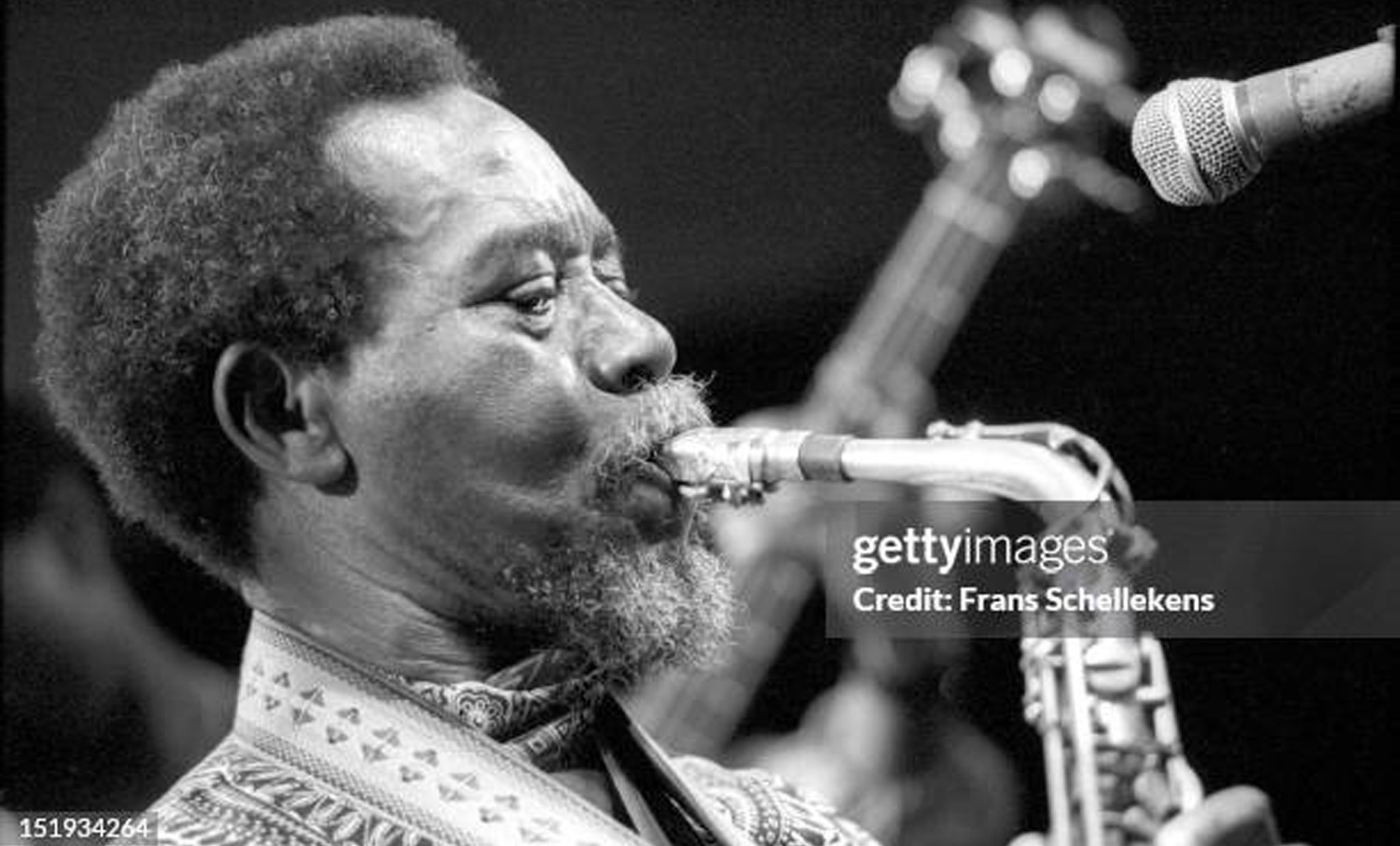
Post-1920s, E.T. Mensah emerged as the undisputed “King of Highlife,” transforming Ga Mashie sounds into national anthems during Ghana’s independence era. Born Emmanuel Tettey Mensah in 1919 in Accra’s Ga-speaking Asere quarter, he trained as a pharmacist but found his calling in music, joining early bands before forming his iconic Tempos in 1950 after the original group split. Blending Ga gome box drum rhythms with colonial-era brass sections, electric guitars, and syncopated bass, Mensah’s highlife captured the vibrant pulse of 1960s Accra, where Gamashie nightlife exploded with dancehalls like the Oasis and Excelsior Ballroom buzzing till dawn.
Mensah’s Tempos dominated with hits like “All for You,” “Tea Samba,” and “Ghana Freedom,” fusing adaha marching brass fanfares from James Fort traditions with layered gome polyrhythms for infectious grooves. Ga lyrics in pidgin English addressed urban migration, unity, and post-colonial pride—”No more colonial master, we dance our own step”—resonating in crowded Chorkor beaches and Central Accra clubs. His 1949 Nigerian tour introduced dance-band highlife across West Africa, followed by triumphs in Ivory Coast (1955) and Guinea, where leaders like Liberia’s Tubman invited them for inaugurals. By the 1960s, Mensah’s sound elevated Ga music globally, influencing Nigeria’s Celestine Ukwu and Sierra Leone’s reggae fusions.
Accra’s golden age vibrancy shone through packed weekend palm-wine bars in Jamestown, where highlife bands like the Tempos alternated sets with guitar trios, drawing trotro drivers, market women, and elites. Mensah’s pharmacy earnings funded band expansions, adding congas and saxophones that echoed kple shrine chants, turning nightlife into celebrations of Nkrumah’s independence. Related tracks like “Nanka” blended Ga proverbs with guitar riffs, mirroring urban hustle, while “Medofo Beba” critiqued city love affairs, packing dancefloors.
The era peaked at 1960 independence concerts, with Mensah’s brass swells symbolizing freedom. Even as highlife dipped mid-1960s amid guitar-band rises, his 1975 “King of Highlife” stool from Ghana’s Arts Council cemented legacy. Today, Accra’s highlife revivals at Labadi Beach nod to this vibrancy, with youth sampling Tempos beats in afrobeats.
Visualize the energy with E.T. Mensah live performance footage [video:1 from ] and photos of Tempos in Oasis Ballroom. Band lineup shots capture brass-gome fusion.