
Wulomei’s 1972 rise ignited Accra’s 1970s disco and dancehall scene, driving massive revenue surges for giants like Accra Brewery’s Club Beer through live gome ensembles packing multi-tribal crowds. Venues like Jamestown’s Scrubbs, Osu’s Coconut Grove, and Chorkor beach bars hosted Wulomei and copycats like Dzadzeloi, where polyrhythmic rituals blended with highlife openers, drawing Ga, Akan, Ewe revelers craving fufu feasts washed down with frothy Club bottles.
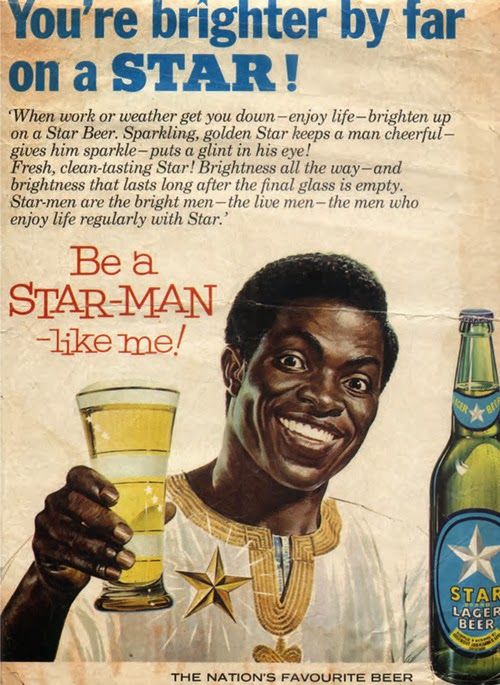
Club Beer, Accra Brewery’s affordable lager launched in the 1960s, exploded as the go-to for these sweaty nights—advertised as “the people’s beer” for chale wale vibes. Live bands’ thunderous gome slaps and proverbial chants hyped dancers into frenzies, with proverbs like “Dance till dawn, beer flows eternal” fueling all-nighters. Crowds trooped from Kumasi and Takoradi, turning discos into tribal melting pots; Ewe akpema dancers synced with Ga kpanlogo steps, boosting sales as bartenders poured rounds amid rituals.
Historical accounts note 1970s brewery reports linking 30-50% revenue spikes to folk-highlife nights, with Club sponsoring revamps of 100+ outlets by 2020s echoes like “Together We’re Gold.” Fufu chop bars adjacent sold out, vendors hawking kenkey to beer-bellied fans. Wulomei’s authentic draw—costumed drummers invading stages—outshone Western disco imports, sustaining local brew over imports.
Examples: Coconut Grove’s Wulomei sets drew 500 nightly, Club crates emptying by midnight; beach discos featured gong-gong intros before gome peaks. This era’s vibrancy revived Gamashie economy, breweries crediting folk bands for loyalty amid oil crises. Modern Club campaigns nod to it, sponsoring Homowo stages.
Watch disco-Wulomei fusion clips [video:3 from ] and beer-soaked crowds. Gome-fufu scenes.