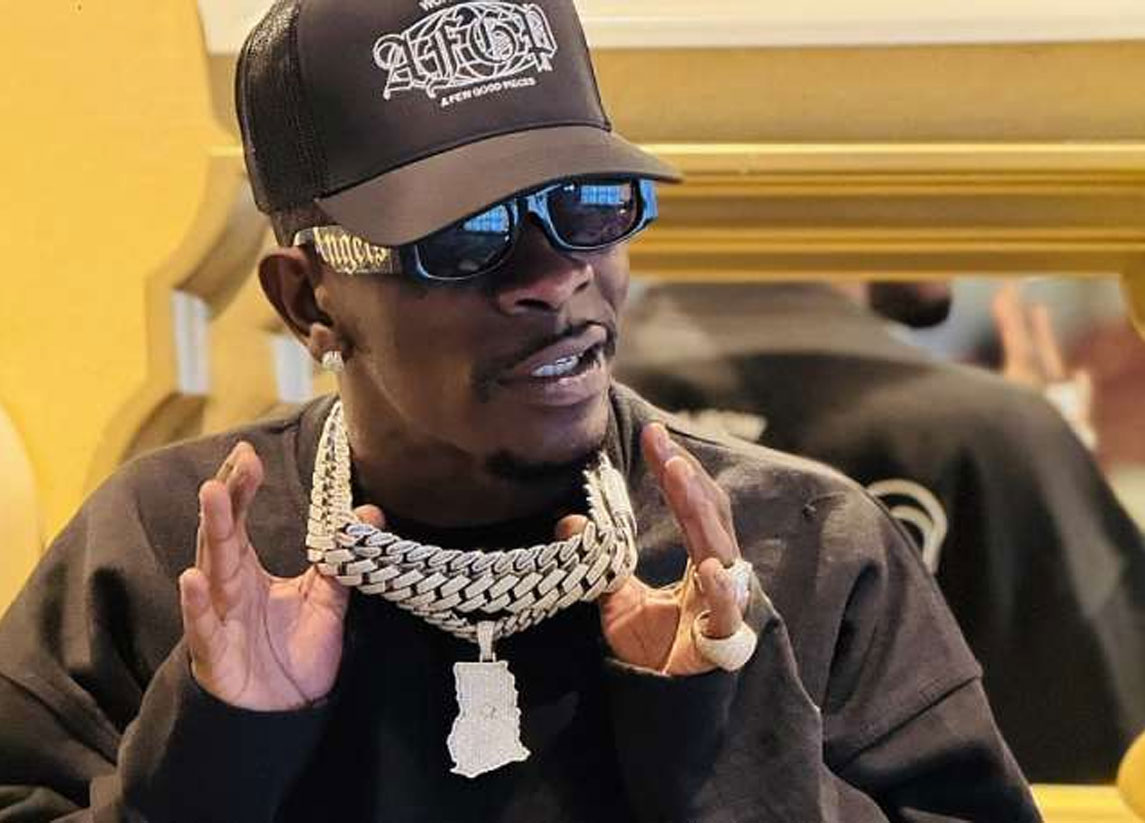
Early Life
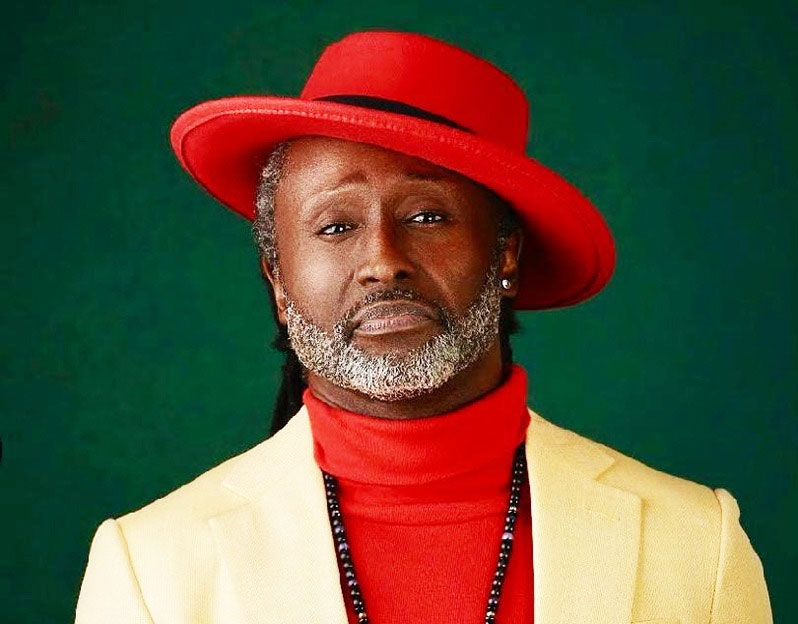
Born in Accra, Ghana, Shatta Wale grew up immersed in the vibrant sounds of reggae and dancehall that shaped his artistic path. He first gained notice in 2004 as Bandana with the hit “Moko Hoo,” but stepped away from the spotlight before reinventing himself.whoswhoghana+1
Career Rise
In 2009, he adopted the name Shatta Wale, marking a fierce comeback fueled by social media savvy and direct fan engagement. His 2013 breakout single “Dancehall King” exploded across platforms like YouTube and Facebook, bypassing traditional media gatekeepers and building the devoted Shatta Movement fanbase. Hits like those on his album After the Storm (2017) and collaborations such as “Already” with Beyoncé solidified his global reach.ghanaweb+3
Musical Impact
Shatta Wale revolutionized Ghanaian dancehall by promoting streaming on Spotify and Apple Music, empowering artists to claim fairer revenues. His influence spans generations, evident when Ghana’s president sang along to “Mahama Paper” at Accra Sports Stadium, and his bond with Vybz Kartel elevated African dancehall internationally. He holds records like winning 11 awards at the 2019 3Music Awards.theafripost+2
Youth Culture Influence
As a household name, Shatta Wale drives youth trends through street-rooted lyrics on resilience, hustle, and independence, inspiring self-financed talent hunts via the Shatta Movement. His pan-African appeal and entrepreneurial ventures, including his SM4Lyf label, make him a blueprint for digital-era success in Ghana’s entertainment industry.facebook+2
Beyond Music
An actor in films like Shattered Lives (2016) and entrepreneur, he blends controversy with charisma to challenge industry norms. His legacy as a “rebel” who defied suppression continues to transform Ghanaian music.gpe.wikipedia+2