Support Accra Chaos
Support Accra Chaos
Fund independent research with ¢15 per month
tourism_Ghana
The MUSIC / History & origins
Ancient Origins
arrow
Pre-16th Century
1483–1519.
Pre-16th Century
1483–1519.
Ancestral journeys from eastern origins
Pre-16th Century
1483–1519.
Gamashie musical heritage from ancient migrations eastward
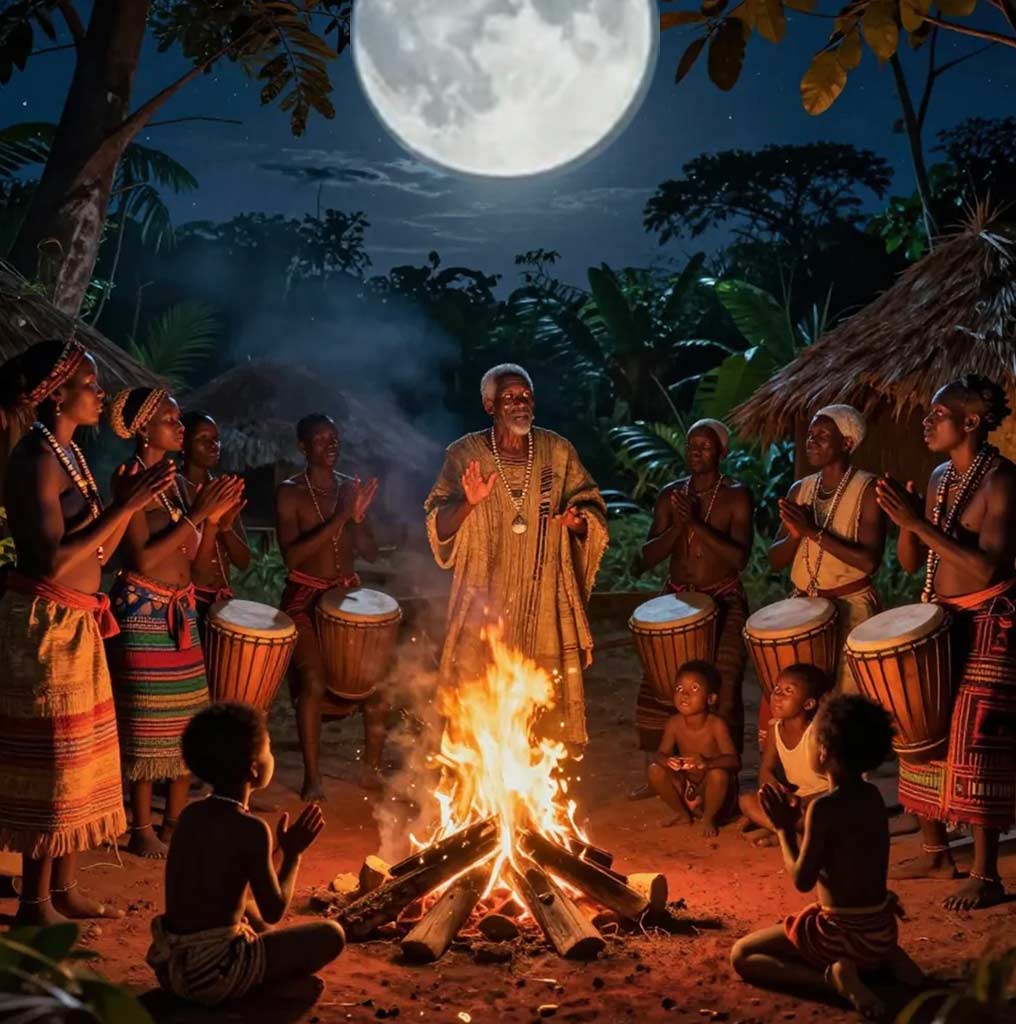
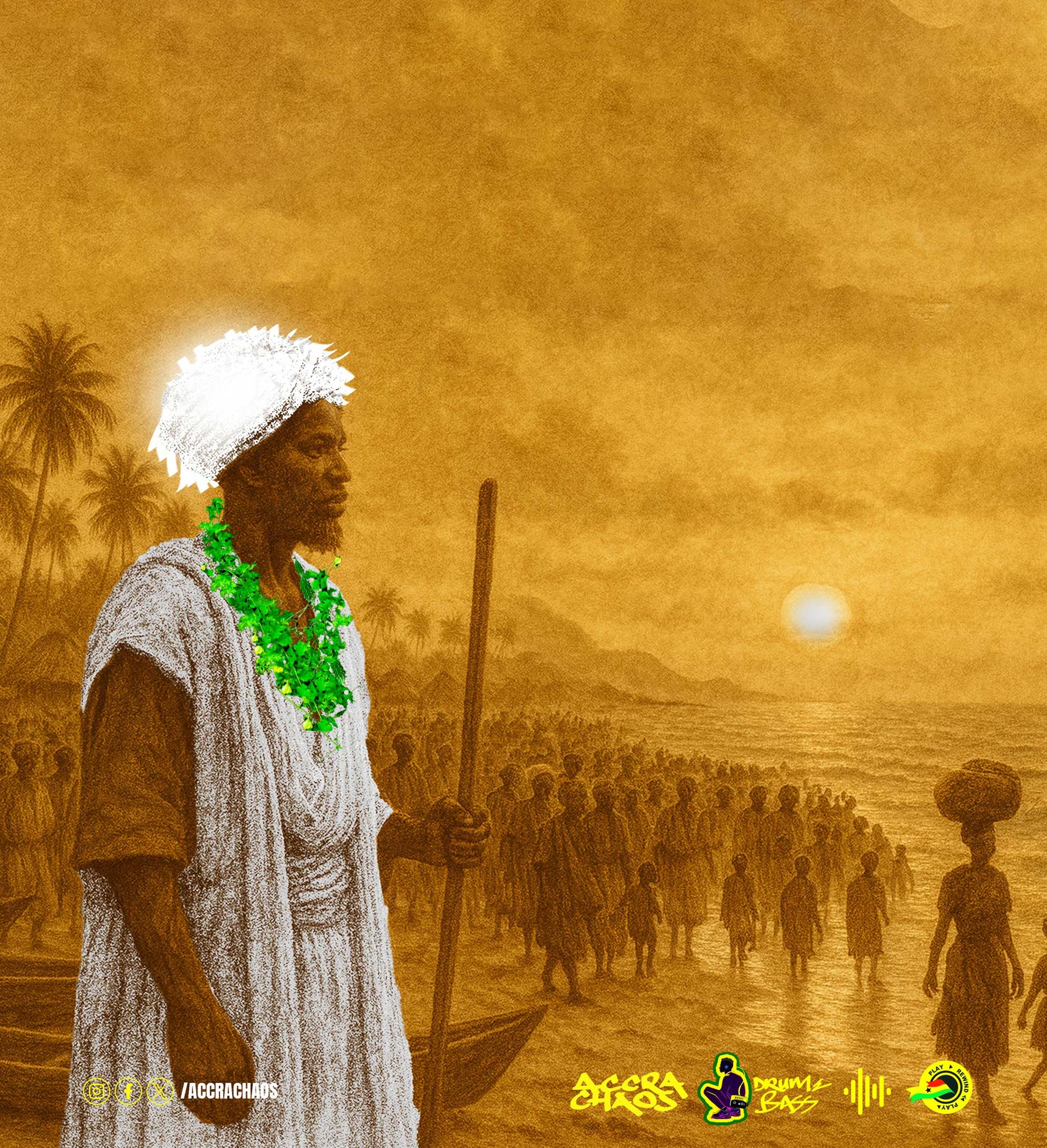
Ga oral traditions link Gamashie ancestors’ 1483–1519 migrations from eastern regions (Nigeria, Nile, Chad) under Ayi Kushi to proto-drums, chants preserving identity and resilience.
Ga oral traditions link Gamashie ancestors to migrations from eastern regions like Nigeria’s Yorubaland, Nile areas, or Lake Chad under leaders like Ayi Kushi, crossing rivers and Volta around 1483 – 1519. Chants and early percussion ~ proto-drums and idiophones, shaped their journey by encoding directions, proverbs for unity, and invocations for safe passage, fostering communal resilience. These call-and-response vocals preserved identity amid displacement, laying rhythmic foundations for Ga culture.
before you read
Accra has come a long way
Accra Chaos stands out as the ultimate resource for Accra’s vibrant evolution, delivering raw, unfiltered insights on its cultural chaos, urban grit, and triumphant growth
Accra Chaos: Ultimate hub for Accra’s cultural chaos, urban grit, highlife beats, street hustles, and resilient spirit—raw, authentic insights into the city’s wild heartbeat.. .
Ga Mashie’s Music and Community
arrow
16th – 17th Century
16th – 17th Century
Where the Sea First Heard the Drums: Ga Settlement on the Accra Coast
16th – 17th Century
Arrival in Accra’s coast by late 1500s
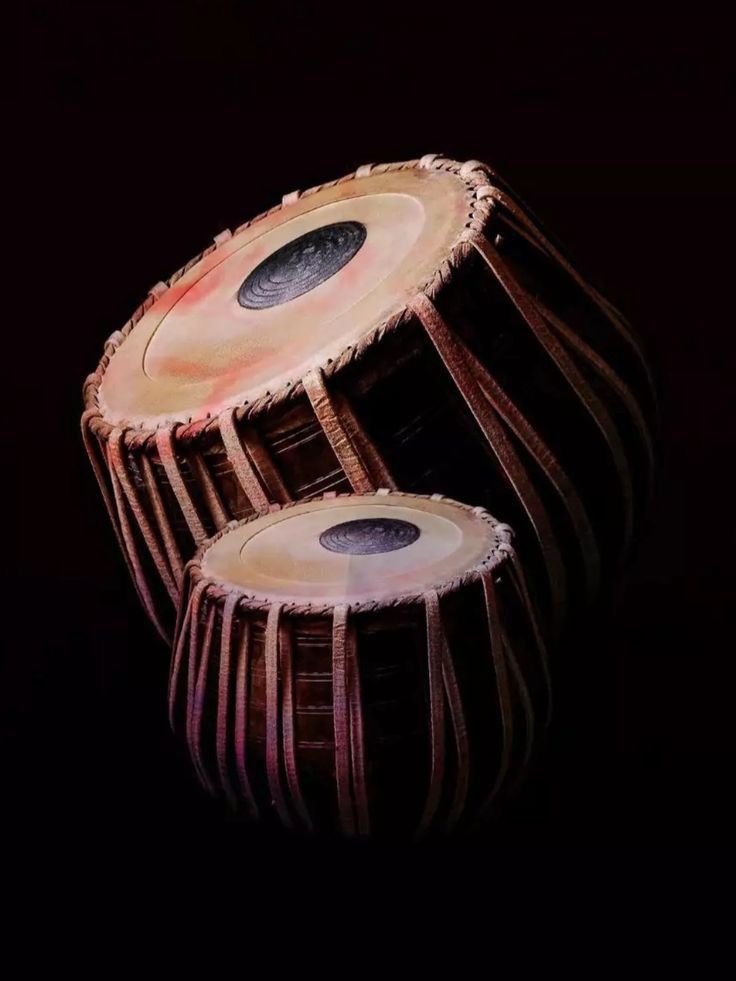
This series examines music as a foundational force in Ga historical consciousness and social organization on Accra’s coast since the 15th century. It traces acoustic polity formation, rhythmic integration with Kpeshi, polyrhythm/proverbs transforming Ayawaso trauma, Homowo rituals, and modern soundscape persistence through adaptive reinvention, as archive and practice.
This series examines music’s role in Ga historical consciousness and social organization on Accra’s coast since the 15th century—from acoustic polity, Kpeshi rhythms, Homowo rituals, to modern adaptive soundscapes as living archive.
Continue Reading
Continue Reading
arrow-left
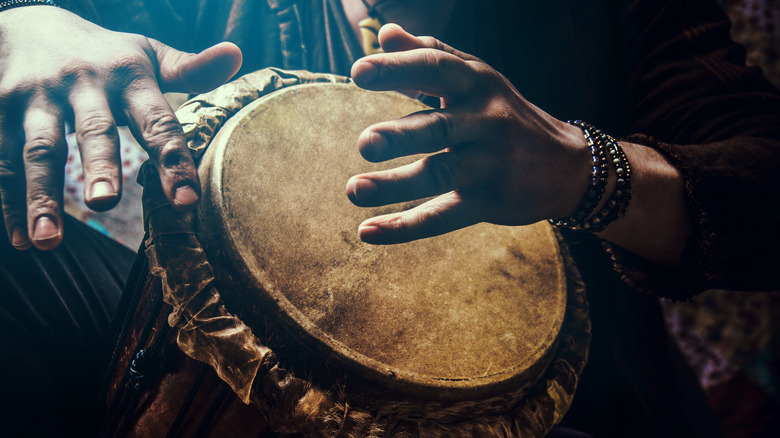
Drums
Communication Devices
In ensemble contexts, a master drummer often led, cueing changes and shaping the form through call-and-response signals.

Musical Instruments & Performance Practice

Drums arguably hold the greatest cultural significance in precolonial Ghanaian music, functioning both musically and as communication devices.
Talking drums & atumpan:
These mimic speech tonality and were used in ceremonies and to transmit messages across distances.
Fontomfrom & Ketɛ drums:
Large drums linked with Akan royal courts and festivals.
Gome, gongs & bells:
Often formed the rhythmic backbone of ensembles, anchoring dancers and singers.
Stringed & Aerophones
Although percussion dominates, melodic instruments also played roles:
Gyil (balafon/xylophone):
Northern Ghana instrument for melodic accompaniment in funerals and communal events.
Kora & Gonje:
Found especially in northern and Sahelian contexts — lutes or fiddle-like instruments accompanying praise singing and narrative performance.
Atenteben (bamboo flute):
While later formalized, its ancestral forms predate colonial contact and serve funeral and procession music.
Continue Reading
COmmunity Voices
Voices of concern
Dive into raw tales from Accra’s streets—chaos, culture, and triumphs shared by residents. Your voice matters; submit your story and join the unfiltered pulse of our city today!
Colonial Encounters
arrow
18th – 19th Century
18th-19th Century
Brass Fusion, Ga Resistance
18th – 19th Century
Colonial Encounters:
Brass Bands, Resistance, and Ga Musical Fusion
European trade from 1500s introduced brass, birthing adaha marching bands fusing Ga timelines with regimental sounds for coastal protection. Kple shrine chants and gome critiques persisted orally, resisting cultural erosion while adapting to forts like James Fort. Music reinforced Ga political expression and oral history, with cross-rhythms encoding migration tales against colonial influx.
Continue Reading
Read more on Ethnicity
Tribes and Ethnic groups
Explore Accra’s rich ethnic mosaic through voices of Ga-Adangbe, Akan, Ewe, Hausa, and more. From ancient traditions to modern triumphs amid the chaos, share your tribe’s stories, festivals, and daily life. Join the chorus—submit now and celebrate our city’s diverse heartbeat!
Accra’s ethnic mosaic: Ga-Adangbe, Akan, Ewe voices amid chaos. Share tribal stories, traditions—celebrate our city’s diverse heartbeat! Submit now.
Highlife Golden Age
arrow
Early-Mid 2oth Century
Highlife Golden Age
Early-Mid 2oth Century
ET Mensah’s Tempos and King Bruce pioneered highlife in 1960s Accra…
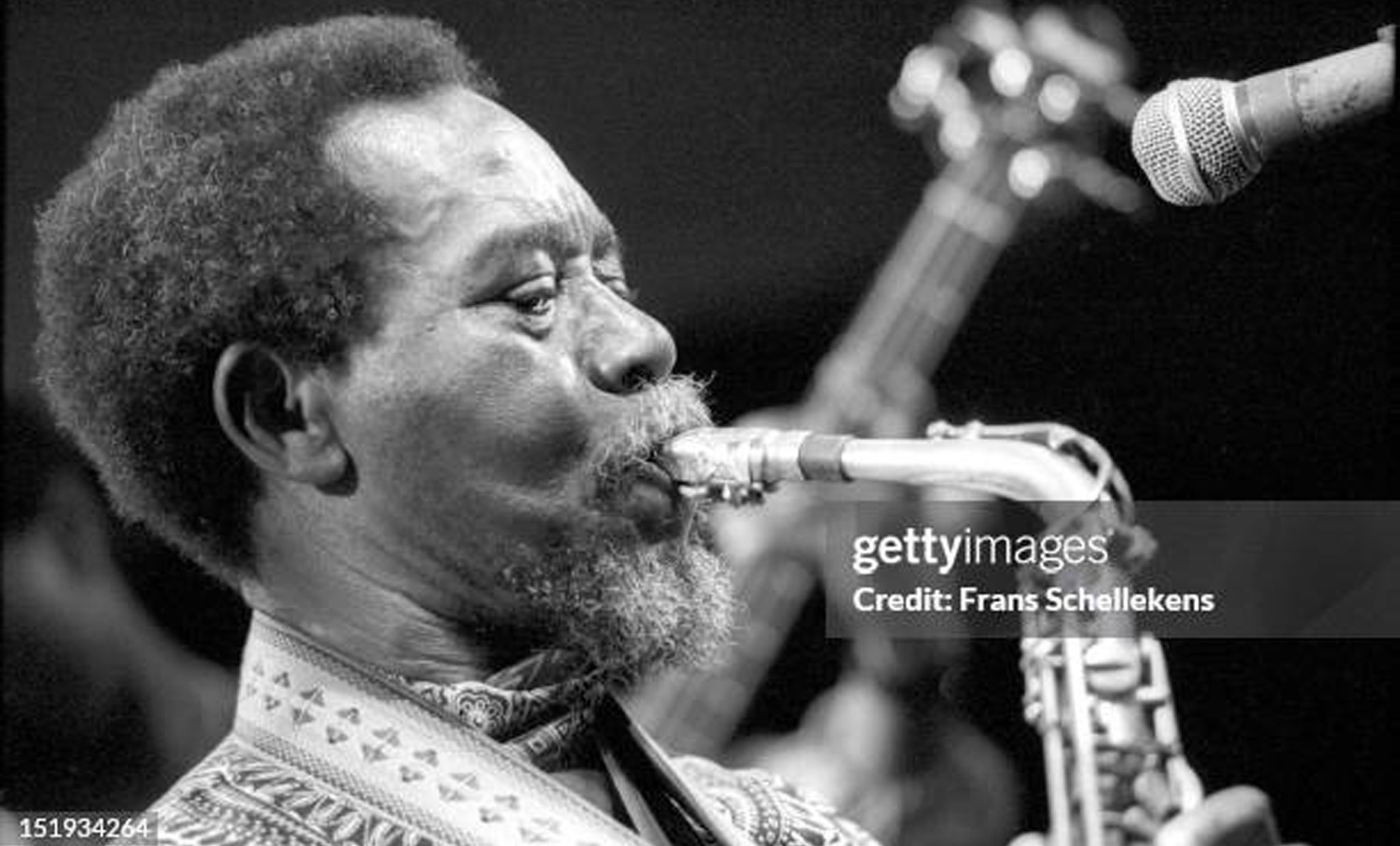
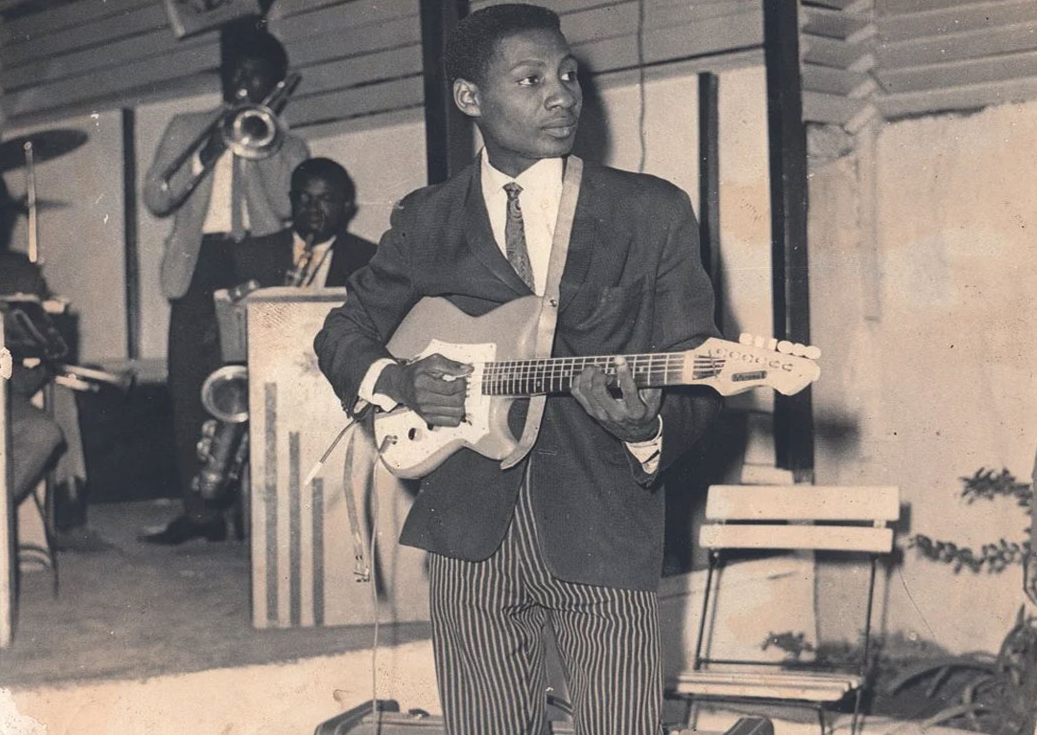
Post-1920s, E.T. Mensah’s Tempos and King Bruce pioneered 1960s Accra highlife, fusing Ga gome rhythms, brass, guitar. Pidgin Ga lyrics celebrated independence, urban life, unity; dominated dance bands, shaped Gamashie nightlife, influenced West Africa.
Post-1920s, ET Mensah’s Tempos and King Bruce pioneered highlife in 1960s Accra, blending Ga gome rhythms, brass, and guitar for national anthems celebrating independence. Ga lyrics in pidgin addressed urban life, unity, and pride, dominating dance bands and shaping Gamashie nightlife. This era elevated Ga sounds globally, influencing West Africa via E.T. Mensah’s hits.
Continue Reading
At a Glance
Chronological Timeline< (Precolonial → Early Colonial)
Pre- 1700’s
Migration & Settlement
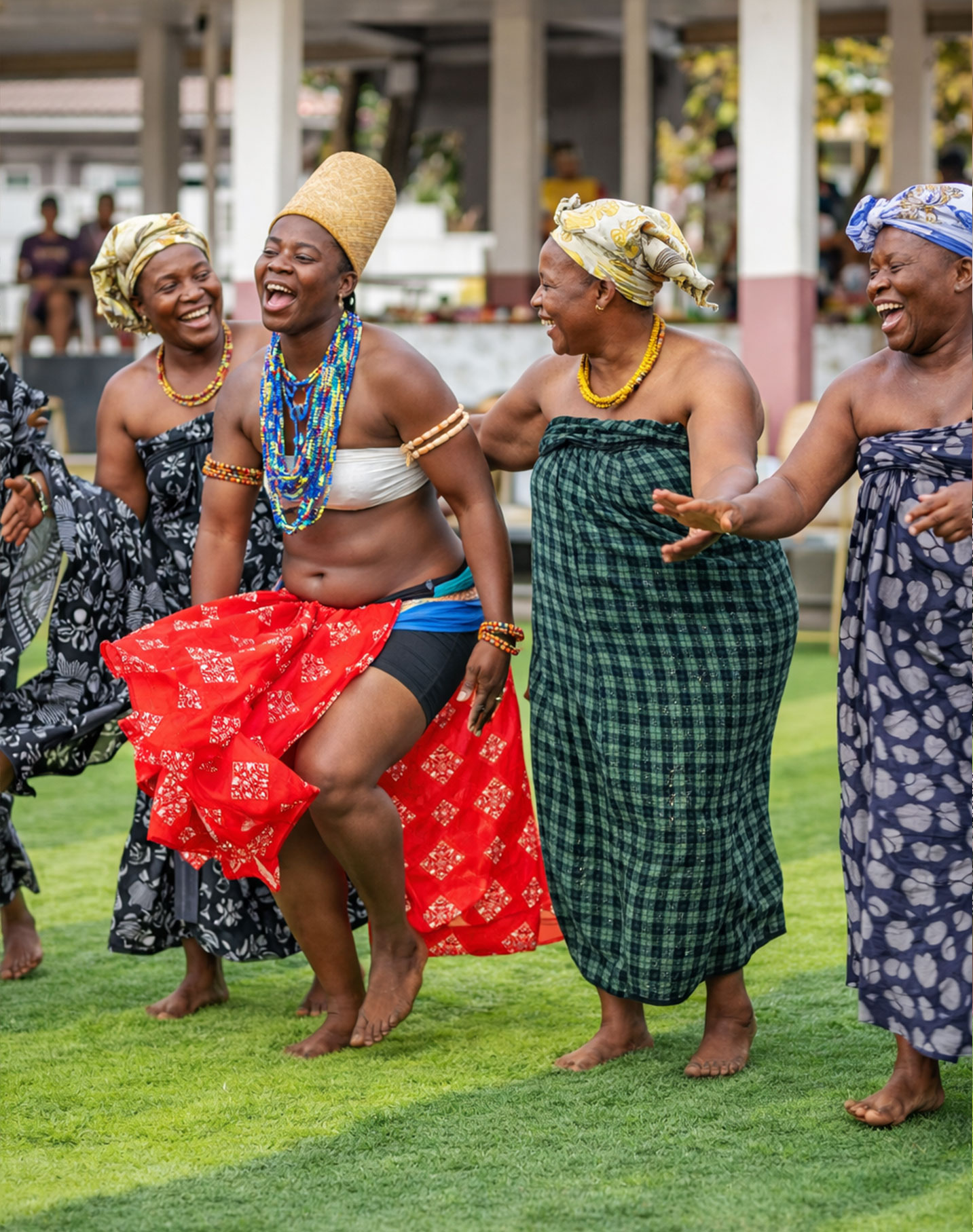
Ga ancestors’ chants and gome drums unified clans during eastward migrations and coastal settlement
1700s-1800s
Colonial Encounters
Adaha marching bands fused brass with Ga polyrhythms, resisting colonial forts like James Fort
1920s-1960s
Highlife GOlden Age
E.T. Mensah’s highlife blended gome rhythms into independence anthems, dominating Gamashie nightlife
1970s-2000
Folk Revival & Hiplife
Wulomei revived gome rituals; hiplife added kpanlogo beats for urban hustle anthems (1970s-2000s)
2010s-present
Modern Afro-Beats
Azonto and Afrobeats propel Ga polyrhythms globally via Shatta-wale, Sarkodie, Black Sherif
Gamashie Ga music evolved from pre-17th century migration chants and gome drums uniting clans, through colonial adaha bands resisting forts (18th-19th C). Highlife (1920s-60s) by E.T. Mensah celebrated independence; 1970s Wulomei revived folk rituals. Hiplife/Azonto (1990s-2010s) fused kpanlogo hustle, leading to modern Afrobeats (2020s) , globalizing polyrhythms and identity.
Fun Fact
Kpalogo
Nii Tei Ashitey (Raymond Nii Ashitey) is the founder of the legendary Ghanaian traditional music group Wulomei. He established the band in 1973 in Accra with the encouragement of dramatist and musician Saka Acquaye to promote “rootsy” indigenous music, including Ga sea shanties and Kpanlogo.
Nii Tei Ashitey (Raymond Nii Ashitey) founded Wulomei in 1973 in Accra, promoting rootsy Ga music like sea shanties and Kpanlogo. .
Folk Revival
arrow
Folk Revival (197os)
Highlife Golden Age
Folk Revival (197os)
Wulomei in 1972 revived Ga folk with authentic gome ensembles…
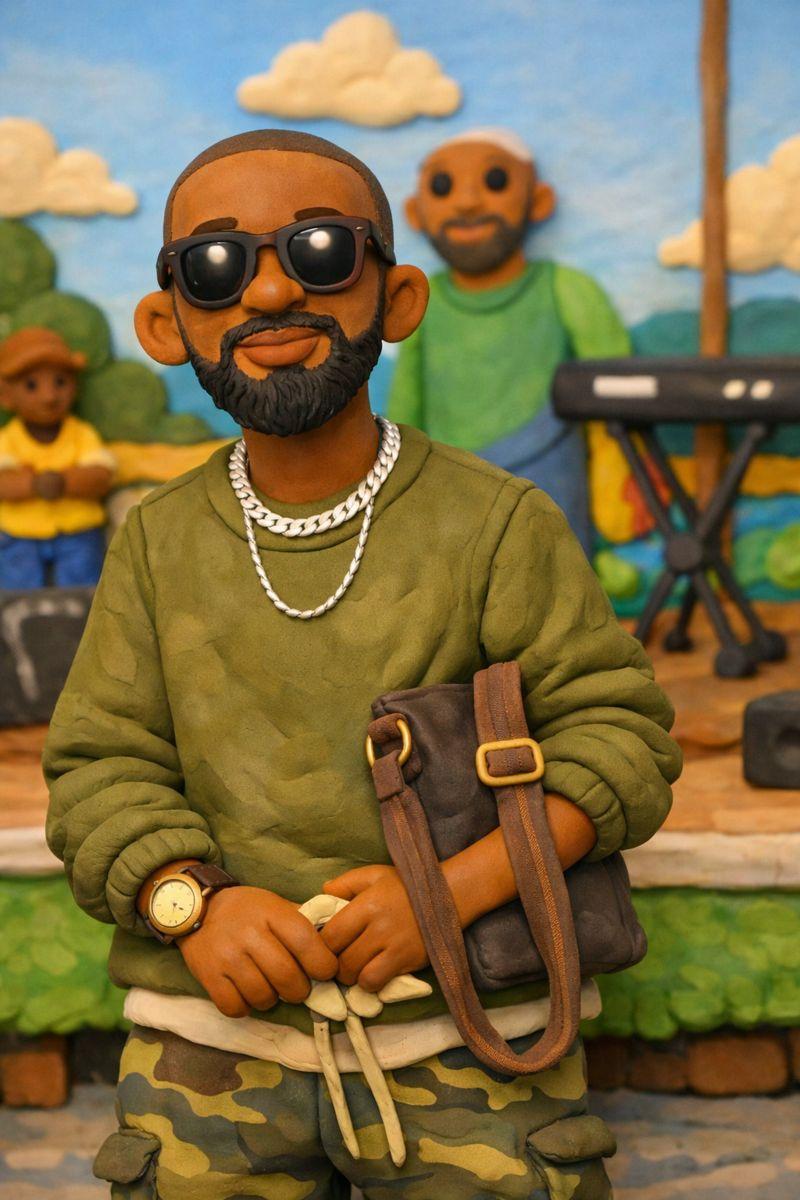
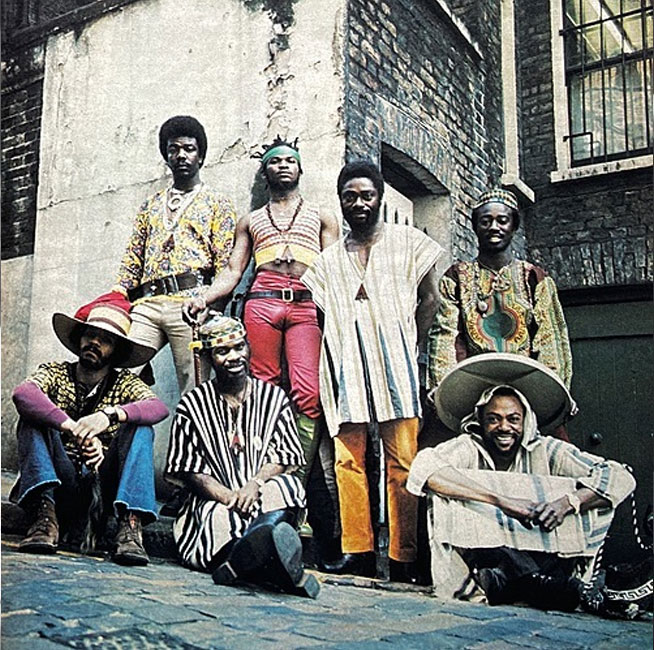
In 1972, Wulomei revived authentic Ga folk via gome ensembles, costumes, rituals—countering highlife Westernization. Polyrhythmic drumming, call-response proverbs reclaimed precolonial essence for Homowo, youth; inspired Dzadzeloi, fostering decolonization in Accra.
Wulomei in 1972 revived Ga folk with authentic gome ensembles, costumes, and stage rituals, countering highlife’s Westernization. Polyrhythmic drumming and call-response proverbs reclaimed precolonial essence for Homowo and youth, inspiring groups like Dzadzeloi. Music fostered cultural decolonization, embedding Ga identity in Accra’s soundscape.
Continue Reading
Borga Highlife
arrow
German Infused Techno
198os-199os
Borga Highlife Boom
198os-199os
Ga music’s gome grooves and kpanlogo beats profoundly influenced “borga highlife,”
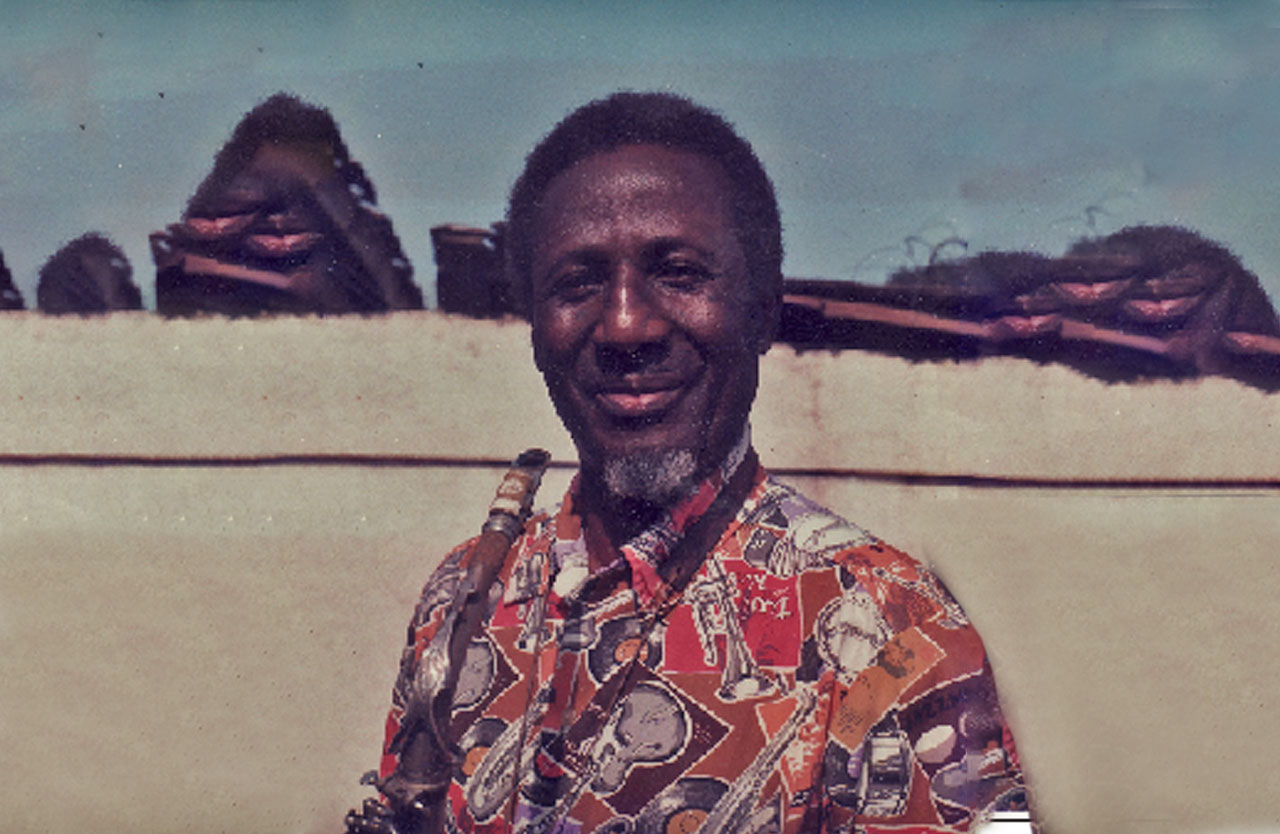
Ga gome and kpanlogo influenced borga highlife by Lumba, Amakye Dede, Paa Bobo. Borgas fused polyrhythms, proverbs with guitars/horns for love, hustle anthems; packed Accra bars, echoed Homowo, drove commercial highlife to hiplife.
Ga music’s gome grooves and kpanlogo beats profoundly influenced “borga highlife,” a glamorous offshoot led by Gamashie-linked stars like Daddy Lumba, Amakye Dede, and Dr. Paa Bobo. Returning from abroad (“borgas”), they layered Ga polyrhythms, proverbs, and call-response over electric guitars and horns, crafting anthems of love, hustle, and diaspora pride that packed Accra bars. Hits like Lumba’s romantic timelines echoed Homowo unity, evolving Ga rhythms into highlife’s most commercial era and paving the way for hiplife fusions.

Continue Reading
Hiplife / Azonto
arrow
German Infused Techno
199os-2o1os
Hiplife and Azonto
199os-2o1os
1990s hiplife fused highlife with hip-hop;
Hiplife (1990s, Rockstone/VIP) fused highlife/hip-hop with Ga timelines; azonto (2010s) added gome/kpanlogo. Gamashie artists globalized urban beats.
1990s hiplife fused highlife with hip-hop; Reggie Rockstone and VIP layered Ga timelines over beats, while 2010s azonto used gome/gahu rhythms for street dances. Gamashie artists voiced urban struggles, blending kpanlogo beats—born in Ga Mashie—for global hits. This democratized Ga music via affordable production, linking migration resilience to modern hustle.
Continue Reading
Modern Afrobeats
arrow
2o2os-Present
2o2os-Present
Modern Afrobeats
2o2os-Present
Today, Black Sherif, ShattaWale, Sarkodie, and Stonebwoy fuse gome
Today, Black Sherif, Sarkodie, Stonebwoy fuse gome timelines into Afrobeats/drill, topping charts with Ga polyrhythms. Streaming globalizes Gamashie Homowo vibes.
Today, Black Sherif, Sarkodie, and Stonebwoy fuse gome timelines into Afrobeats and drill, topping charts with Ga-infused polyrhythms and proverbs. Streaming amplifies Gamashie sounds worldwide, sustaining Homowo vibes in festivals and reels. Music continues shaping Ga journey, from migration chants to global anthems of identity.
Ghanaian Music Origins – Responsive Cards

Ghanaian Music Origins Summary Sheet

The page at accrachaos.com/the-music-origins/ details pre-colonial roots of Ghanaian music, emphasizing ethnic traditions and their cultural roles.

Musical Origins
Diverse ethnic practices with polyrhythms, call-and-response vocals; spiritual, social, communicative roles pre-European contact.
Akan (talking drums), Ewe (agbadza), Ga (kpanlogo)
Instruments
Harp-lutes, drums, bells; folklore from griots for community ties.
Ashanti seperewa harp-lute
Cultural Functions
Chief durbars, harvest festivals, funerals, rites; groundwork for modern genres.
All major groups (Akan, Ewe, Ga, Dagomba)
Credits and Sources: No explicit author credits or bibliography listed; content draws from oral traditions and cultural histories on accrachaos.com (early 2026 posts).