
The Culture / Language
Language/Folklore
what constitutes the language
The Ga Language (Ga gbee)
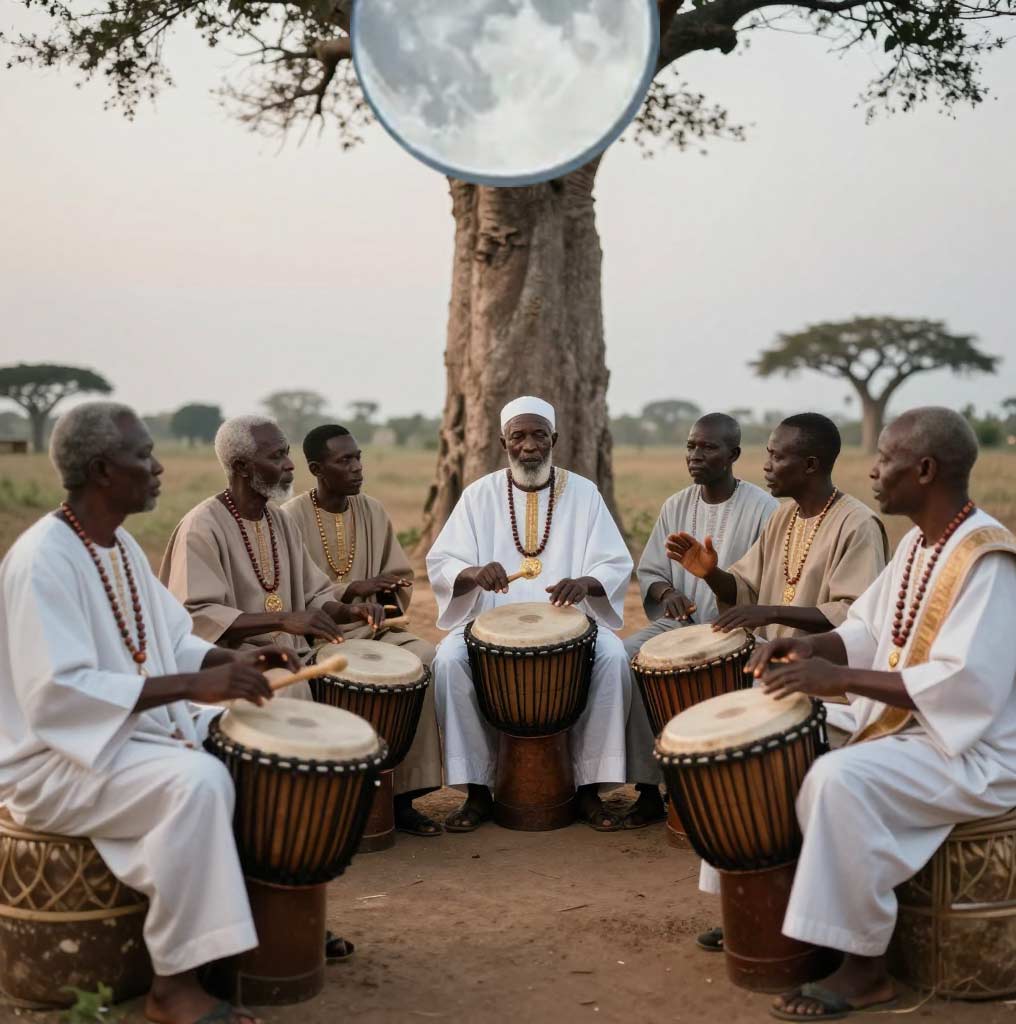
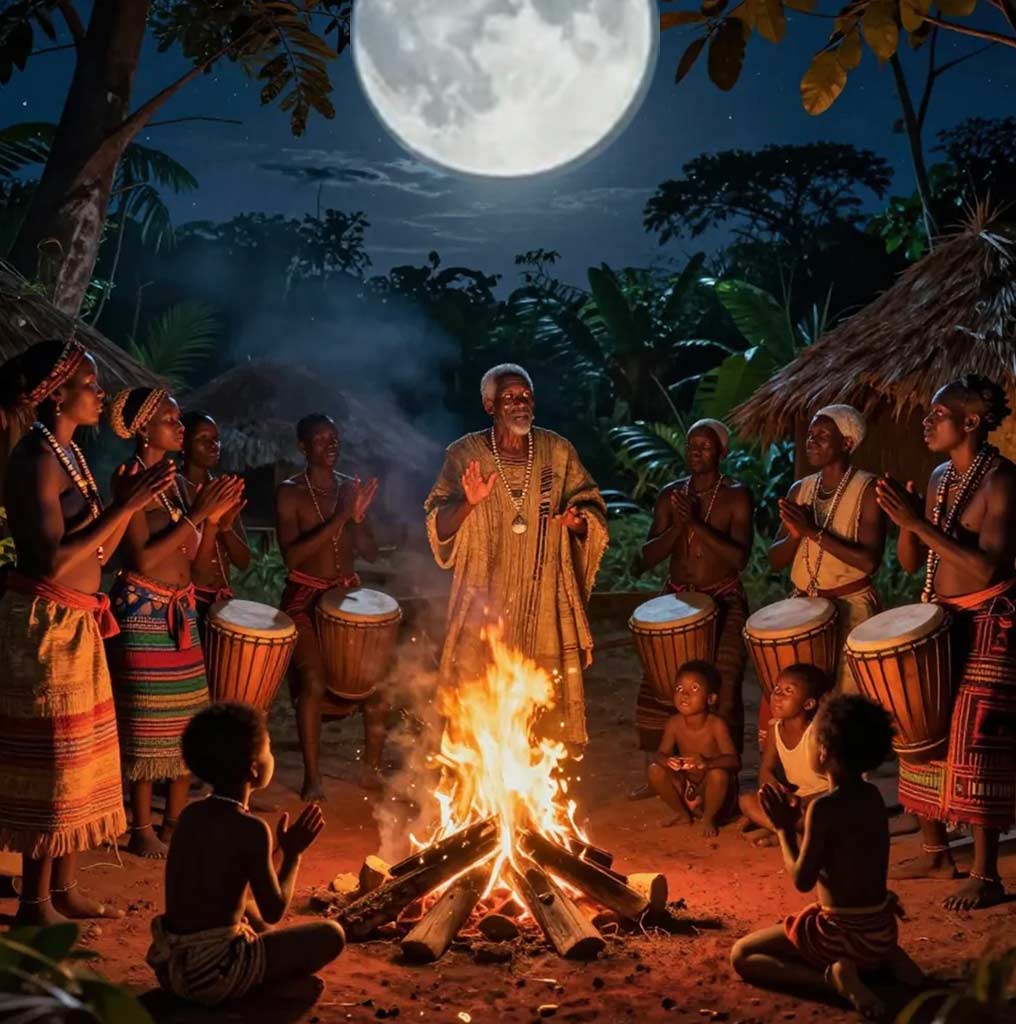
The language spoken by the people of Ga Mashie is Ga, a tonal language belonging to the Kwa branch of the Niger-Congo language family. It is closely related to its sister language, Dangme.
The identity of the Ga Mashie people is heavily preserved through their unique language and rich oral folklore.
The identity of the Ga Mashie people is heavily preserved through their unique language and rich oral folklore.
Evolution as a Trading Lingua Franca:
Historically, Ga Mashie served as a massive cosmopolitan trading hub between European merchants and inland traders. As a result, the Ga language evolved uniquely by absorbing vocabulary from surrounding languages. Modern Ga contains strong elements of Dangme and Guan (the aborigines of the Accra plains), alongside loanwords from Akan, Portuguese, Dutch, and English.
The “Yitsontao” (Wax of the Mind):
Because the Ga did not historically record their language in written script, they perfected an internal oral archiving method known as yitsontao. This translates to “writing in the wax of the mind”—a strict, repetitive system of cultural education passed down to children to ensure perfect linguistic and historical recall.
Historical Prominence:
Ga holds a special place in Ghanaian linguistic history. In 1805, it became one of the very first Ghanaian languages to be transcribed and used for a full Bible translation.
Continue Reading
Profiles

the music
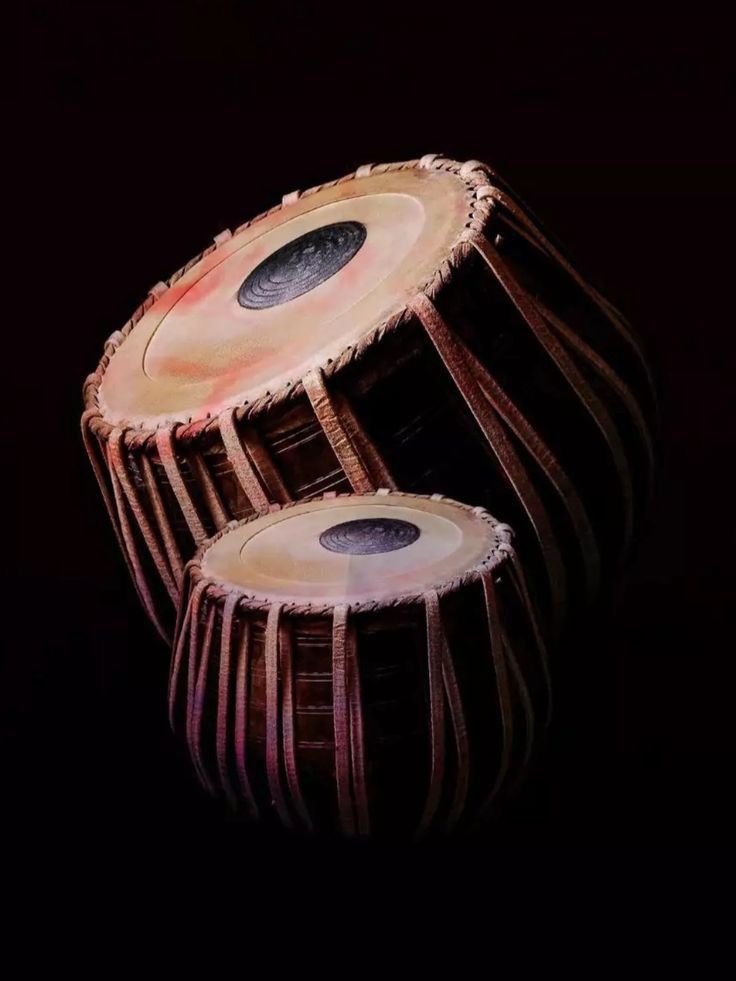
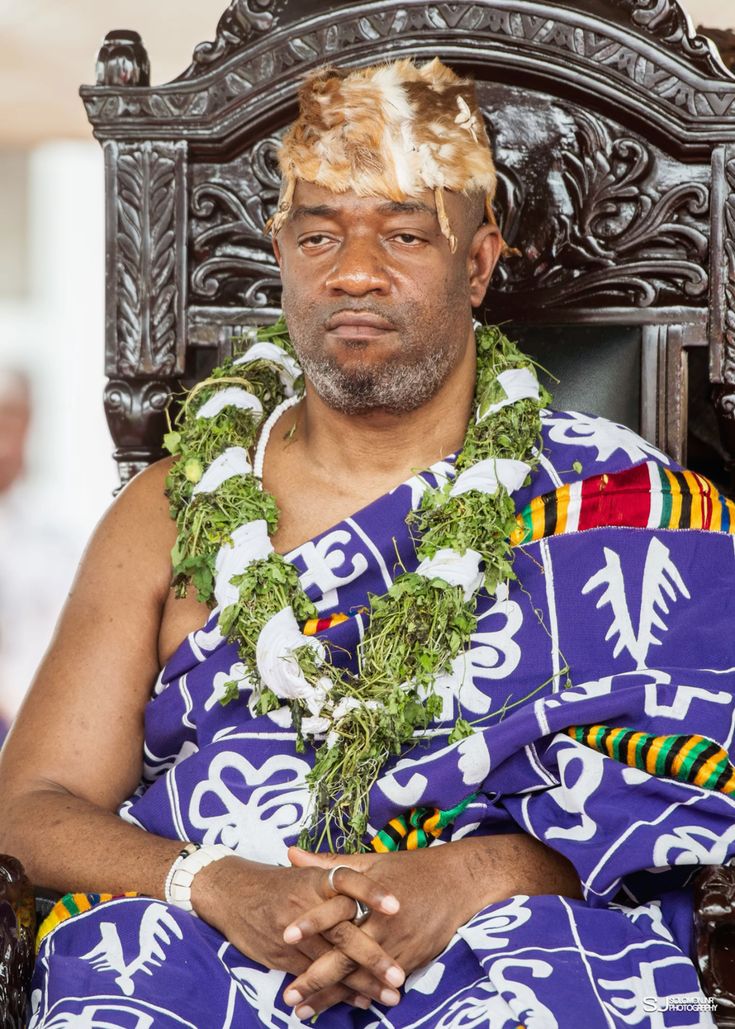
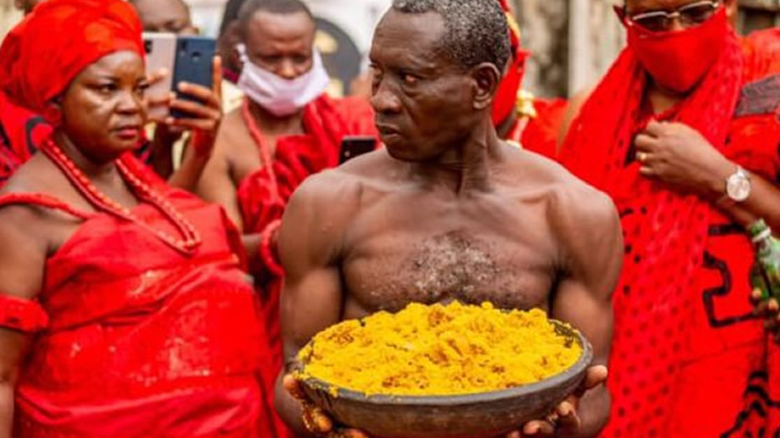
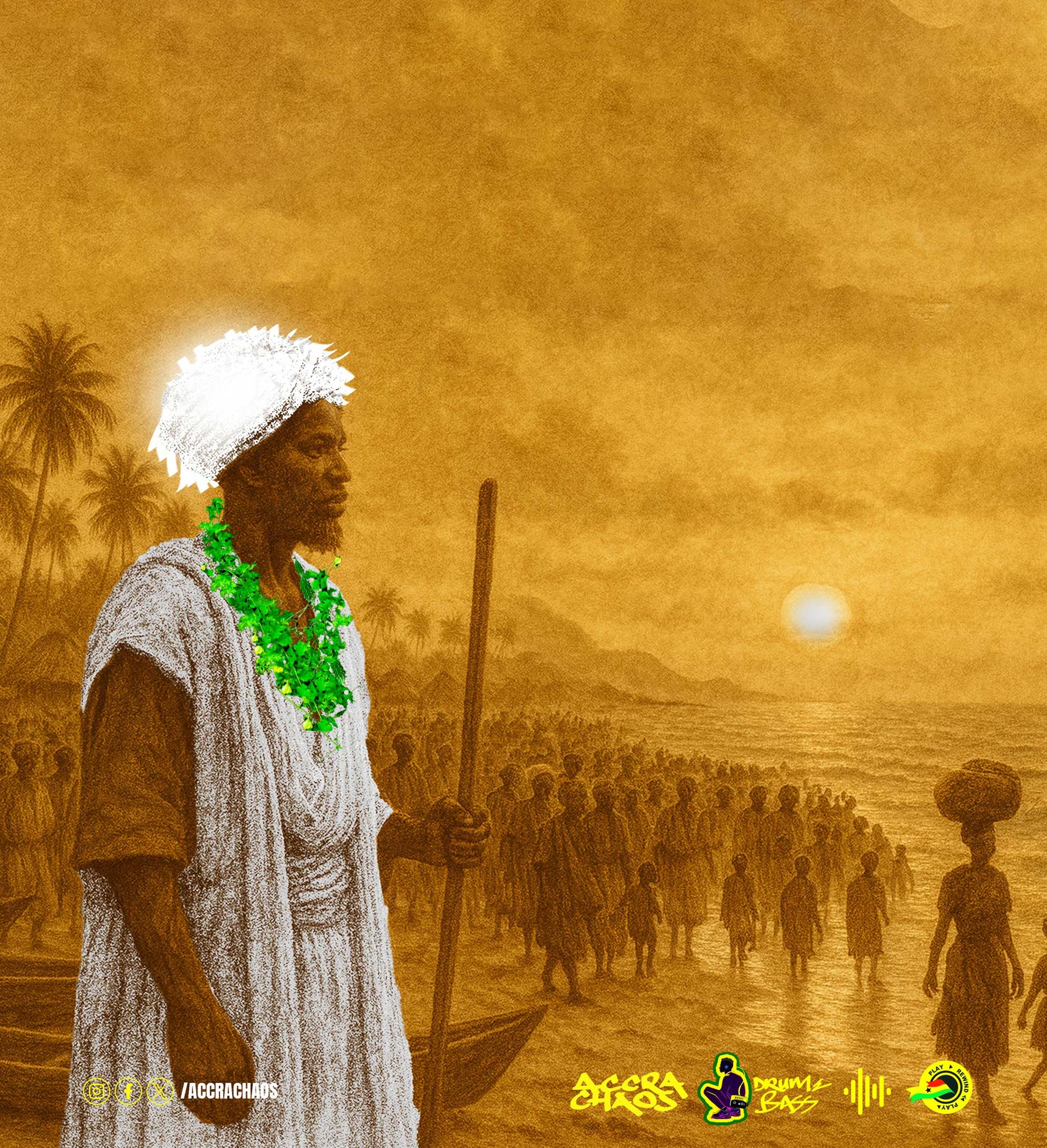
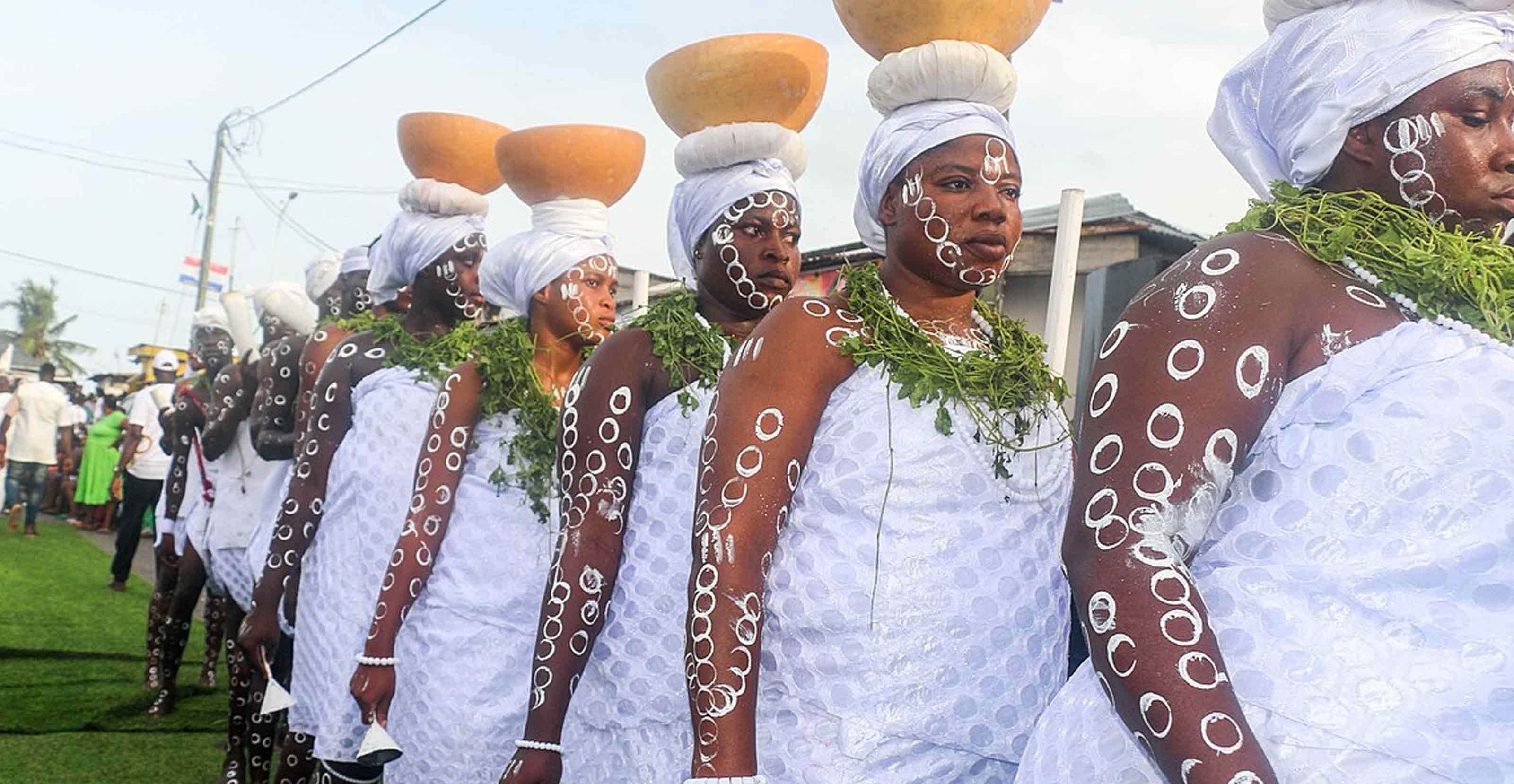
The Folklore of Homowo: “Hooting at Hunger”
See all Stories

Musical Lore: Kple and Kpa Songs

Related Articles
Related Articles
Common Everyday Phrases
Related Articles
Related Articles
Ghanaian Music Origins Summary Sheet
The page at accrachaos.com/the-music-origins/ details pre-colonial roots of Ghanaian music, emphasizing ethnic traditions and their cultural roles.
Musical Origins
Diverse ethnic practices with polyrhythms, call-and-response vocals; spiritual, social, communicative roles pre-European contact.
Akan (talking drums), Ewe (agbadza), Ga (kpanlogo)
Instruments
Harp-lutes, drums, bells; folklore from griots for community ties.
Ashanti seperewa harp-lute
Cultural Functions
Chief durbars, harvest festivals, funerals, rites; groundwork for modern genres.
All major groups (Akan, Ewe, Ga, Dagomba)
Credits and Sources: No explicit author credits or bibliography listed; content draws from oral traditions and cultural histories on accrachaos.com (early 2026 posts).