Support Accra Chaos
Support Accra Chaos
Fund independent research with ¢15 per month
tourism_Ghana
The MUSIC / Music Festivals
Cultural Music Festivals
Significance of music in traditional in Ga Mashie

The Ga Mashie music‑festival scene is deeply rooted in history, identity, and collective memory:
Homowo as cultural heartbeat:
Homowo means “hooting at hunger” and commemorates a past famine when the Ga people survived by planting and eating maize. The festival is a spiritual and social anchor that reaffirms Ga identity, resilience, and connection to ancestors.
Twins Yam Festival symbolism:
Twins are considered spiritually fortunate in Ga culture; the Twins Yam Festival honors them, promotes psychological well‑being, and reinforces values of unity and family support.
Music as social glue:
Kpanlogo and other Ga rhythms are not just “entertainment” but vehicles for storytelling, moral teaching, and community cohesion. Musicians and dancers use the festival frame to reconnect youth with elders, language, and tradition.
SEE DATES:
Homowo in Ga Mashie
(late July–August): The main cultural cycle, marked by sacred drumming, Kpanlogo, street processions, and public music performances.
Twins Yam Festival:
A pre‑Homowo celebration centered on twins, featuring drumming, Ga music, and community feasting.
Chale Wote Street Art Festival
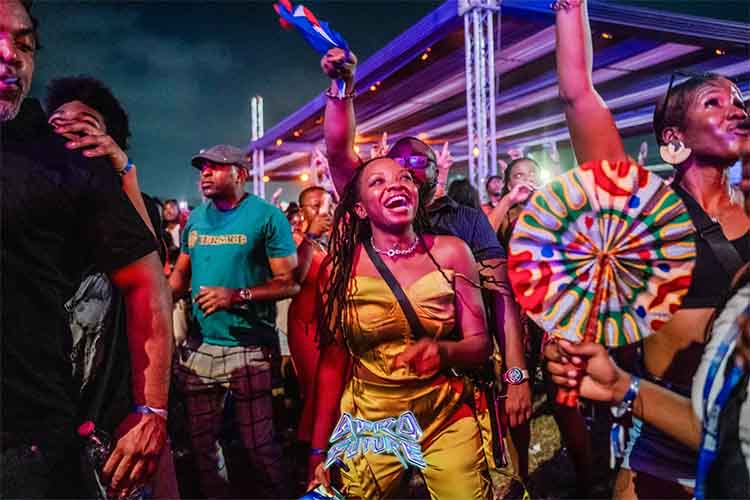
(August, in and around Jamestown): A contemporary arts and music festival that uses the Heritage Park, forts, and streets as stages, mixing DJs, live bands, and traditional Ga performance.
arrow
Drumming and
Dance
Drumming and
Dance
How Ga Mashie Beats Shape Accra’s Pulse
Drumming and
Dance
Today the cultural‑music ecosystem reshapes life in James Town and the wider Accra urban fabric influencing Ga Mashie culture and society
Ga oral traditions link Gamashie ancestors to migrations from Yorubaland, the Nile, and Lake Chad under leaders like Ayi Kushi (c. 1483–1519). Chants and early percussion—proto‑drums and idiophones—guided their crossing of rivers and the Volta, preserving unity, identity, and resilience and laying the rhythmic foundations of Ga drumming and dance culture.
The festival‑music ecosystem reshapes life in James Town and the wider Accra urban fabric:
Cultural revival and continuity:
Festivals and Chale Wote have helped revive fading genres like Kpanlogo and turned them into both heritage and youth‑driven pop culture. Young artists learn choreography, drumming, and oral traditions from elders during rehearsals and performances.
Community organizing and agency:
Homowo, Chale Wote, and related rites are spaces where residents organize themselves, negotiate with authorities, and assert their right to the city and to heritage. Local networks, “street families,” and informal economies use the festive period to showcase talent and build reputation.
Social tension and identity claims:
Music and parades in the city contest narratives of criminality or “danger” often attached to James Town, presenting it instead as a creative, historic district. The festival atmosphere often mediates between modernity and tradition, allowing debates about conservation, gentrification, and development to surface in performance.