Support Accra Chaos
Support Accra Chaos
Fund independent research with ¢15 per month
tourism_Ghana
The Culture / Spirituality
Spirituality
arrow-left
Guardians
Communication Devices
In ensemble contexts, a master drummer often led, cueing changes and shaping the form through call-and-response signals.
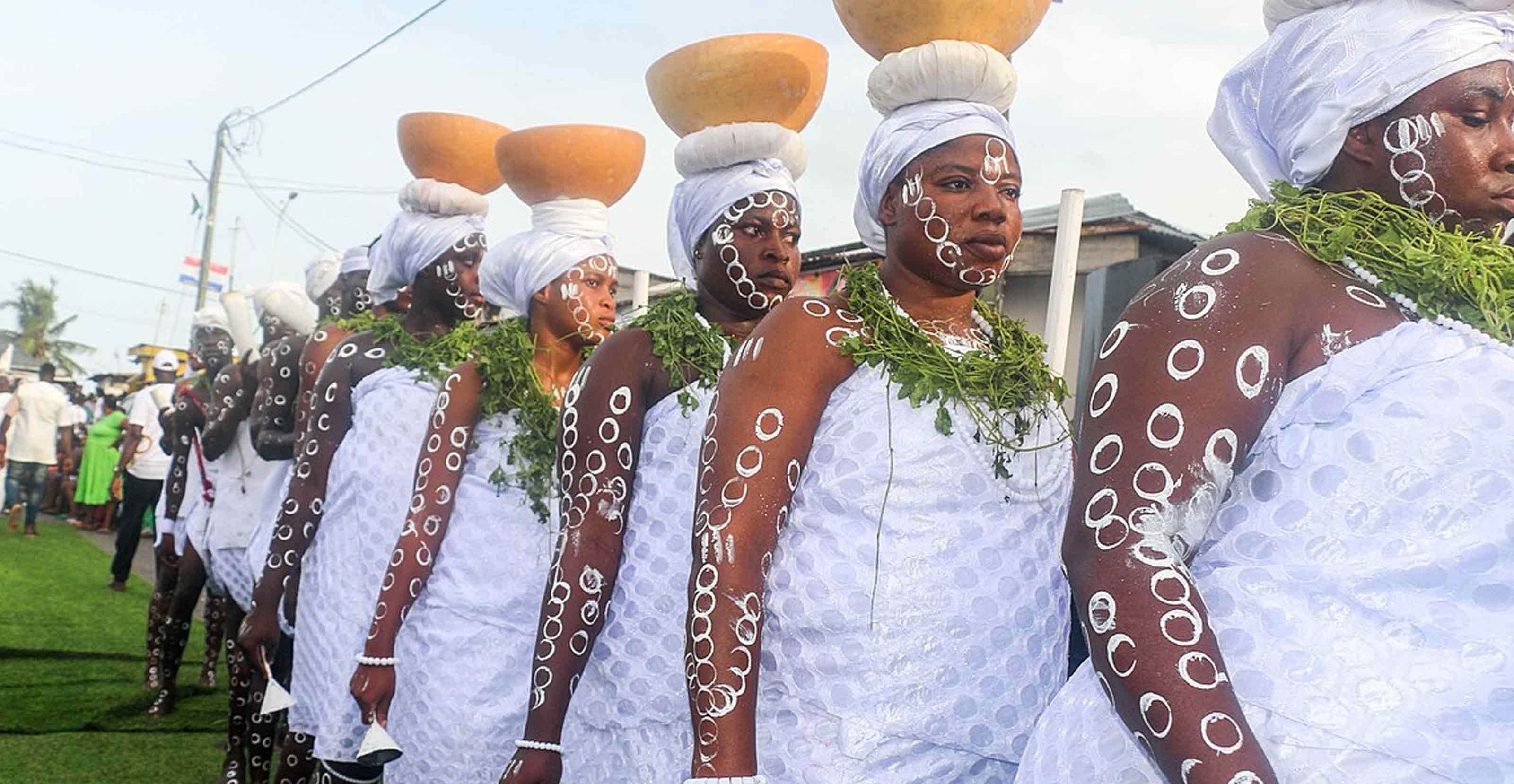
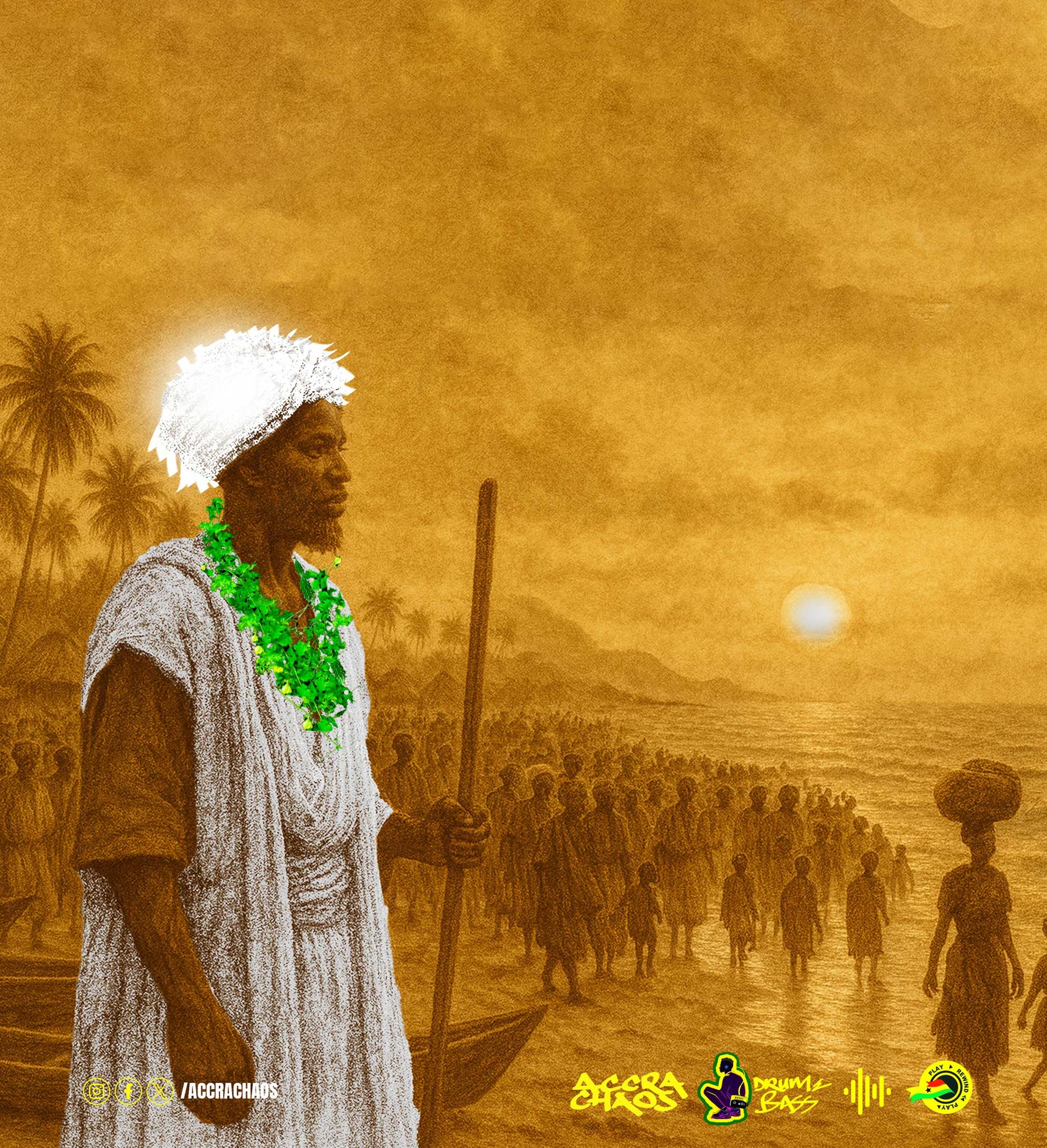
Ga spirituality, known as the Kpele religion, centers on a hierarchical universe where spirits and ancestors guide daily life in communities like Gamashie. This ancient belief system remains vital for the Ga people of Accra, blending with modern Christianity while shaping their identity and practices.

Core Beliefs

Ga spirituality views the universe as ordered by a Supreme Being called Ataa Naa Nyongmo (or Nyongmo), an immortal creator who sustains all life but is approached indirectly through intermediaries. Divine spirits (dzemanwodzi) inhabit natural features like the sea, rivers, and mountains, acting as messengers between humans and the divine. Ancestral shades (nsamantanŋi) persist after death, protecting descendants and preserving cultural norms through dreams or crises.

Key Elements

Human composition:
Human composition includes the body (gbomotso), soul (susuma) that travels in dreams, and life force (kla), ensuring spiritual continuity beyond death.
Deities & Sacred Days:
Deities demand sacred days, such as Tuesdays when fishing halts in Gamashie to honor the sea god.
Rationality:

Rationality distinguishes humans from animals and plants, emphasizing moral coordination for procreation and harmony.
Priests and Practices
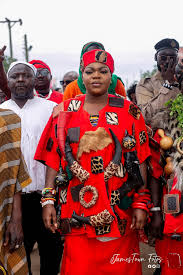
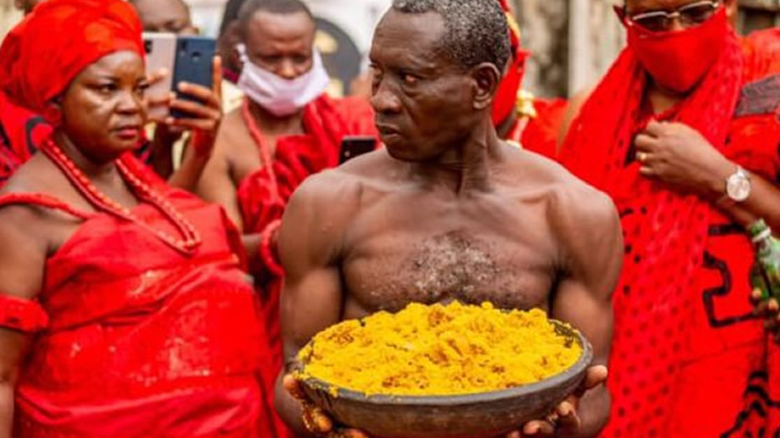
High priests (wulomei or wɔŋtśεmεi) and priestesses interpret divine will, performing libations with prayers, water, or palm wine to invoke spirits and ancestors. Cult groups tied to specific deities handle rituals like sea purification (nshor bulemɔ) or millet-eating festivals (nŋmaa yeli). In Gamashie, these ensure community welfare, with priests like Nai Wulomo central to state events.
(wulomei or wɔŋtśεmεi) :
High priests (wulomei or wɔŋtśεmεi) and priestesses interpret divine will, performing libations with prayers, water, or palm wine to invoke spirits and ancestors.
Nai Wulomo:

Groups tied to specific deities handle rituals like sea purification (nshor bulemɔ) or millet-eating festivals (nŋmaa yeli). In Gamashie, these ensure community welfare, with priests like Nai Wulomo central to state events.
Atenteben (bamboo flute):
While later formalized, its ancestral forms predate colonial contact and serve funeral and procession music.
sueybies-ad-vert
How do wulomei priests perform healing and divination
What are key rituals and festivals in Ga Mashie spirituality
See all Stories
Role of ancestors in Ga traditional beliefs

How Ga spirituality blends with Christianity today
The hidden rituals and symbols of Ga Mashie spirituality most outsiders miss — full research report

Ghanaian Music Origins – Responsive Cards

Ghanaian Music Origins Summary Sheet

The page at accrachaos.com/the-music-origins/ details pre-colonial roots of Ghanaian music, emphasizing ethnic traditions and their cultural roles.

Musical Origins
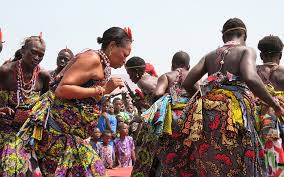
Diverse ethnic practices with polyrhythms, call-and-response vocals; spiritual, social, communicative roles pre-European contact.
Akan (talking drums), Ewe (agbadza), Ga (kpanlogo)
Instruments
Harp-lutes, drums, bells; folklore from griots for community ties.
Ashanti seperewa harp-lute
Cultural Functions
Chief durbars, harvest festivals, funerals, rites; groundwork for modern genres.
All major groups (Akan, Ewe, Ga, Dagomba)
Credits and Sources: No explicit author credits or bibliography listed; content draws from oral traditions and cultural histories on accrachaos.com (early 2026 posts).