Support Accra Chaos
Support Accra Chaos
Fund independent research with ¢15 per month
tourism_Ghana
The MUSIC / Drumming & Dance
Royal Drums/Dance
arrow-left
Drums
Communication Devices
In ensemble contexts, a master drummer often led, cueing changes and shaping the form through call-and-response signals.

Musical Instruments & Performance Practice

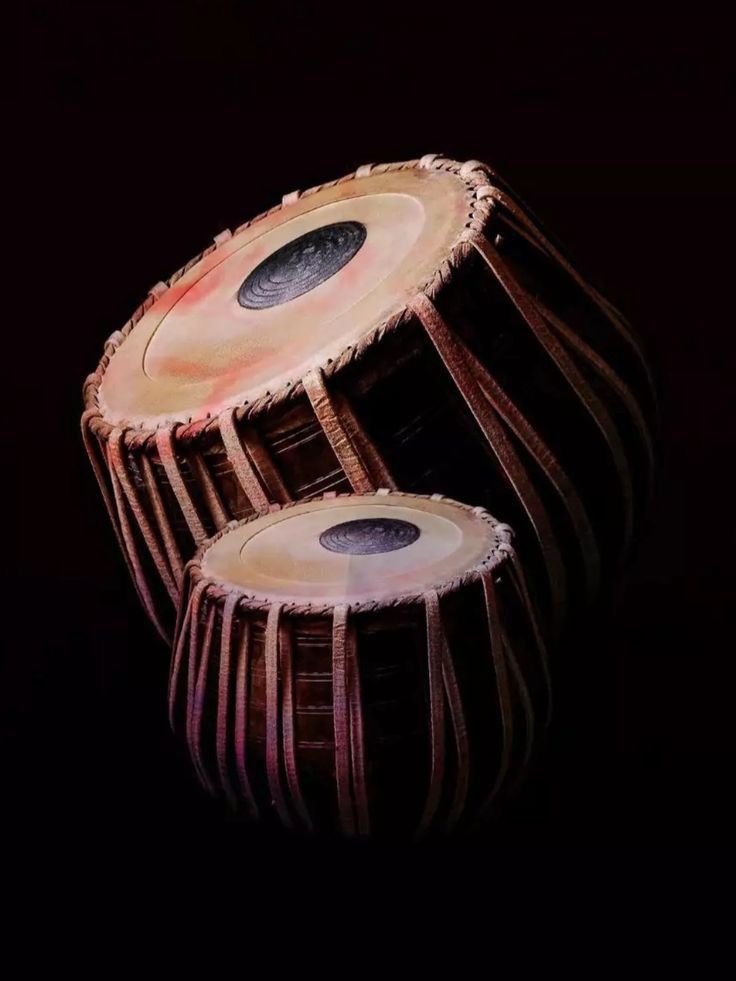
Drums arguably hold the greatest cultural significance in precolonial Ghanaian music, functioning both musically and as communication devices.
The tools
These mimic speech tonality and were used in ceremonies and to transmit messages across distances.
The Techniques
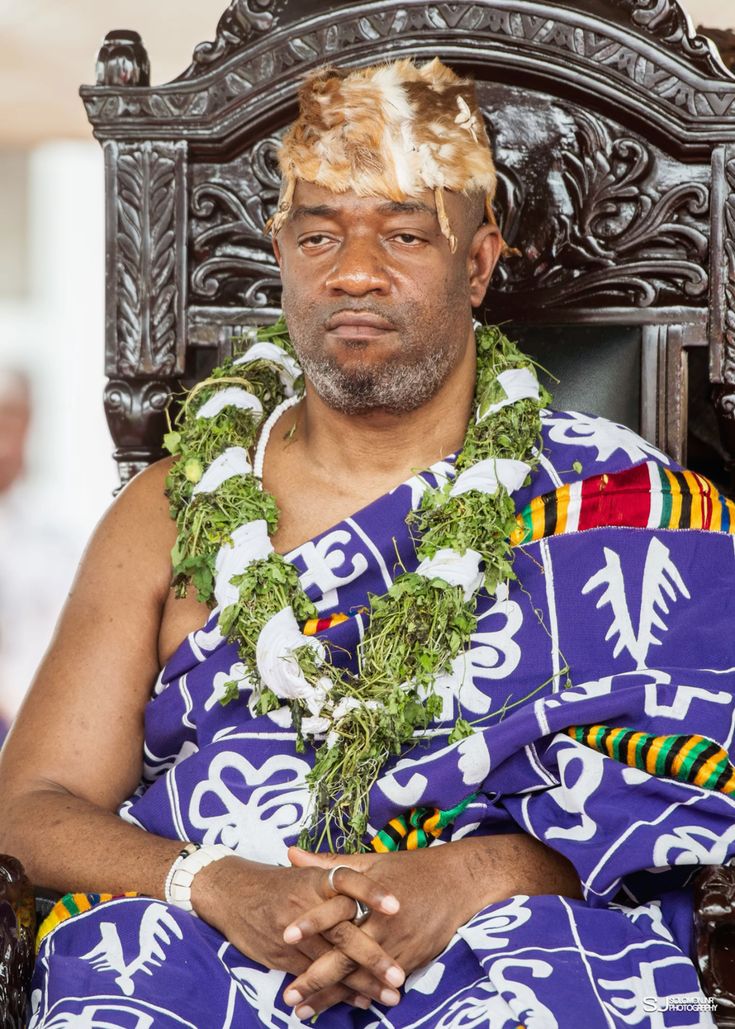
Large drums linked with Akan royal courts and festivals.
Historical conventions
Often formed the rhythmic backbone of ensembles, anchoring dancers and singers.
Stringed & Aerophones
Although percussion dominates, melodic instruments also played roles:
Gyil (balafon/xylophone):
Northern Ghana instrument for melodic accompaniment in funerals and communal events.
Kora & Gonje:
Found especially in northern and Sahelian contexts — lutes or fiddle-like instruments accompanying praise singing and narrative performance.
Atenteben (bamboo flute):
While later formalized, its ancestral forms predate colonial contact and serve funeral and procession music.
Continue Reading
arrow
Drumming and
Dance
Drumming and
Dance
How Ga Mashie Beats Shape Accra’s Pulse
Drumming and
Dance
From the Ga Royal Obonu in Jamestown to Homowo’s twin drums, Ga Mashie’s rhythms have become the heartbeat of Accra’s cultural scene.
Ga oral traditions link Gamashie ancestors to migrations from Yorubaland, the Nile, and Lake Chad under leaders like Ayi Kushi (c. 1483–1519). Chants and early percussion—proto‑drums and idiophones—guided their crossing of rivers and the Volta, preserving unity, identity, and resilience and laying the rhythmic foundations of Ga drumming and dance culture.
Ga oral traditions link Gamashie ancestors to migrations from eastern regions like Nigeria’s Yorubaland, Nile areas, or Lake Chad under leaders like Ayi Kushi, crossing rivers and Volta around 1483 – 1519. Chants and early percussion ~ proto-drums and idiophones, shaped their journey by encoding directions, proverbs for unity, and invocations for safe passage, fostering communal resilience. These call-and-response vocals preserved identity amid displacement, laying rhythmic foundations for Ga culture.
Ghanaian Music Origins – Responsive Cards

Ghanaian Music Origins Summary Sheet

Musical instruments and performance practice refer to the tools, techniques, and historical conventions used to play music, focusing on how a piece should be performed according to its era, style, or composer’s intent. It involves researching historical methods, using appropriate instruments, and applying stylistic elements not found on the score. The page at accrachaos.com/the-music-origins/ details pre-colonial roots of Ghanaian music, emphasizing ethnic traditions and their cultural roles.

Musical Origins
Diverse ethnic practices with polyrhythms, call-and-response vocals; spiritual, social, communicative roles pre-European contact.
Akan (talking drums), Ewe (agbadza), Ga (kpanlogo)
Instruments
Harp-lutes, drums, bells; folklore from griots for community ties.
Ashanti seperewa harp-lute
Cultural Functions
Chief durbars, harvest festivals, funerals, rites; groundwork for modern genres.
All major groups (Akan, Ewe, Ga, Dagomba)
Credits and Sources: No explicit author credits or bibliography listed; content draws from oral traditions and cultural histories on accrachaos.com (early 2026 posts).