
The PEOPLE / Tribes
Tribes and Ethnic Groups
Tribes and Ethnic Groups in Ghana
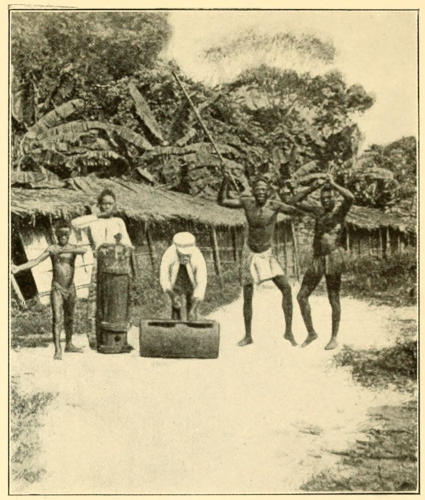
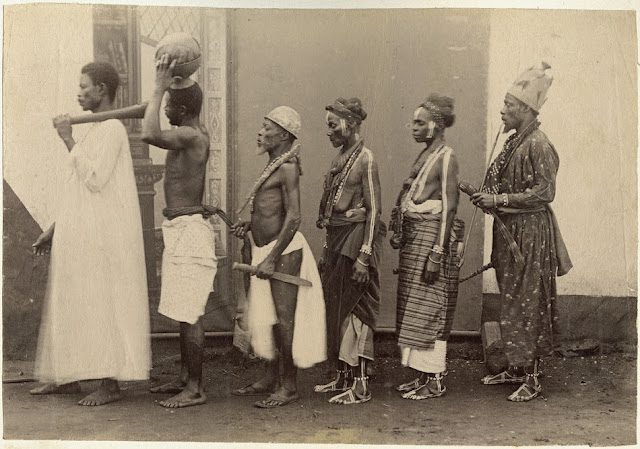
Ghana hosts over 70 ethnic groups, with the Akan forming the largest at about 47%, followed by Mole-Dagbani (17%), Ewe (14%), Ga-Adangbe (7%), and Guan (4%). These groups trace origins to migrations starting around 1000 AD, shaping the nation’s diverse cultural fabric.
Tribes & Ethnic Groups
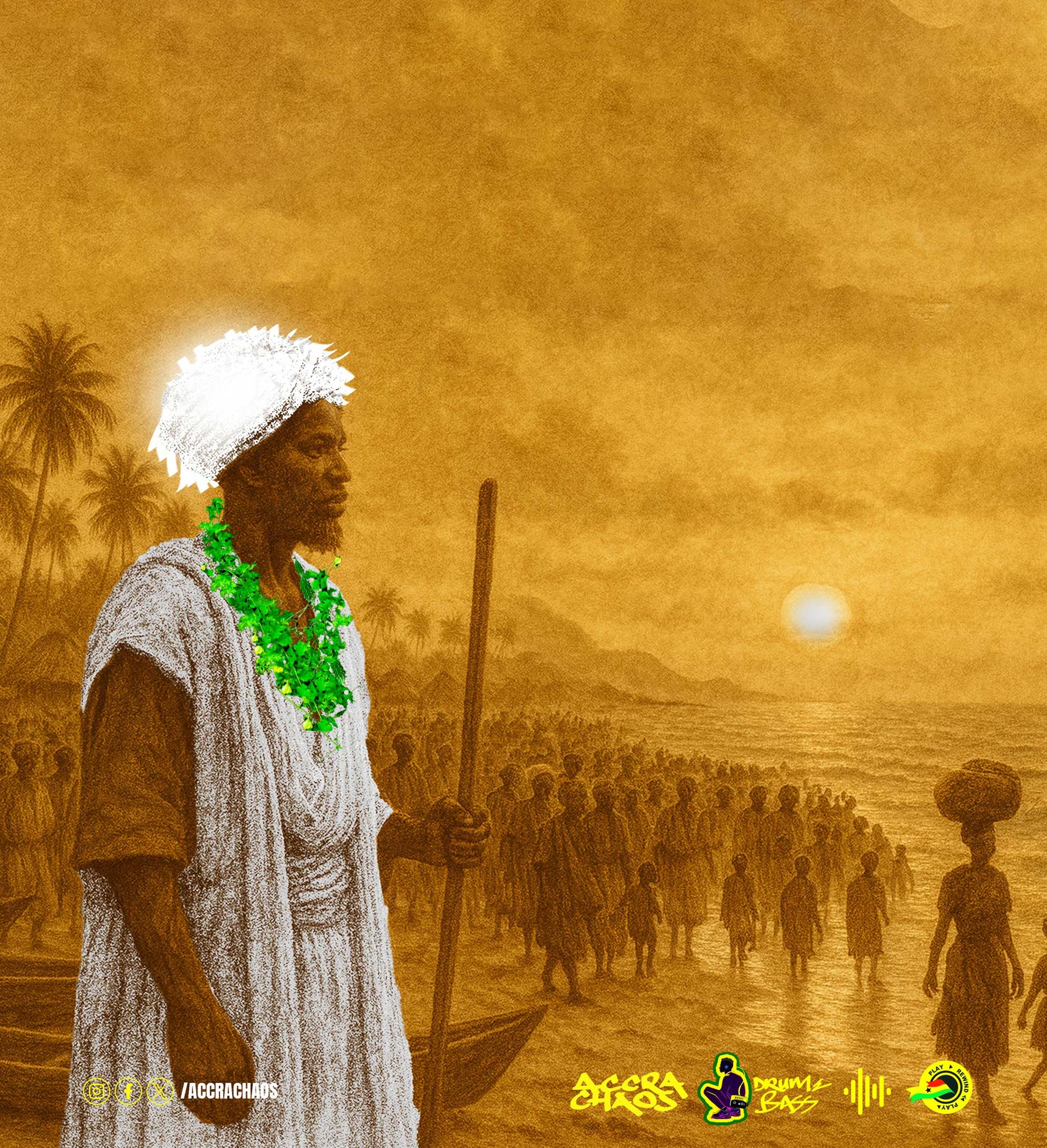
From Ancient Guan Settlements to Ga Kingdom: Accra’s Coastal Rise and Name Evolution

Key Ethnic Diversity Table
| Group | % Population | Primary Region | Language Family |
|---|---|---|---|
| Akan | 47% | Ashanti, Central | Kwa |
| Mole-Dagbani | 17% | Northern | Gur |
| Ewe | 14% | Volta | Gbe |
| Ga-Adangbe | 7% | Greater Accra | Kwa |
| Guan | 4% | Central/East | Guan |
This timeline reflects oral traditions and archaeology; exact dates vary.
Most Popular

Ghanaian Music Origins Summary Sheet
The page at accrachaos.com/the-music-origins/ details pre-colonial roots of Ghanaian music, emphasizing ethnic traditions and their cultural roles.
Musical Origins
Diverse ethnic practices with polyrhythms, call-and-response vocals; spiritual, social, communicative roles pre-European contact.
Akan (talking drums), Ewe (agbadza), Ga (kpanlogo)
Instruments
Harp-lutes, drums, bells; folklore from griots for community ties.
Ashanti seperewa harp-lute
Cultural Functions
Chief durbars, harvest festivals, funerals, rites; groundwork for modern genres.
All major groups (Akan, Ewe, Ga, Dagomba)
Credits and Sources: No explicit author credits or bibliography listed; content draws from oral traditions and cultural histories on accrachaos.com (early 2026 posts).