

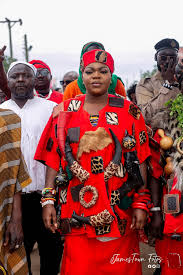
Homowo: Hooting at Hunger – Ghana’s Biggest Commemorative Festival
Every year, hundreds of thousands of people fill the streets of Accra to celebrate Homowo, the Ga people’s vibrant festival of resilience, gratitude, and cultural pride. The word Homowo literally means “hooting at hunger” in the Ga language—a powerful act ofmocking the famine that once threatened the survival of the Ga ancestors. Today, Homowo stands as Ghana’s biggest traditional harvest festival, drawing locals and the global diaspora alike to commemorate a defining moment in Ghanaian history.
The Historical Roots: Triumph Over Famine
Homowo is deeply rooted in a commemorative narrative of survival:
| Aspect | Historical Detail |
|---|---|
| Origin Period | Pre-colonial era, during the Ga people’s migration across Africa |
| Crisis | Severe famine caused by prolonged drought threatened the Ga people’s survival |
| Turning Point | Abundant rainfall returned, leading to a bountiful harvest |
| Commemorative Act | The Ga people “hooted” at hunger—shouting, drumming, and laughing to mock starvation |
| Symbolism | Victory over adversity, gratitude for survival, and hope for the future |
This annual reenactment transforms historical trauma into a celebration of resilience, making Homowo more than a harvest festival—it’s a living memorial.
Why Homowo Is Ghana’s Biggest Festival
Homowo distinguishes itself as Ghana’s largest traditional festival through several key factors:
1. Scale and Duration
- Month-long celebration (sometimes stretching to 3 months from May to August/September)
- The main harvest feast occurs on a Saturday, with dates varying yearly
- Draws hundreds of thousands of participants across Ga Land (Greater Accra Region)
2. Cultural Significance
- Promotes unity among the Ga people and cultural preservation for younger generations
- Serves as a platform for discussing developmental issues affecting Ga communities
- One of the largest cultural festivals of its kind in Africa
3. Diaspora Connection
- A powerful link for the global Ga diaspora to reconnect with ancestral roots
- Thousands of Ghanaians abroad return home specifically for Homowo
4. Economic and Tourism Impact
- Drives local business growth and cultural tourism
- Showcases Ga heritage through traditional rites, feasting, music, dance, and colorful processions
Key Rituals and Celebrations
Homowo’s commemorative character is expressed through distinct rituals:
- Blessing of Crops: The festival begins with the blessing of newly sown crops
- Sacred Rites: Traditional priests perform ceremonies to honor ancestors
- Hooting at Hunger: Communities drum, dance, and shout to mock past famine
- Kpokpoi (Kpokpoli): A special ceremonial dish made from fermented corn flour, shared as a Thanksgiving feast
- Feasting and Dancing: Days of communal meals, traditional dances, and cultural displays
Homowo as Cultural Identity and Social Movement
Beyond its commemorative purpose, Homowo functions as:
| Role | Impact |
|---|---|
| Cultural Marker | Strengthens Ga identity and pride |
| Educational Tool | Teaches younger generations about history and traditions |
| Social Movement | Addresses community development issues |
| Tourism Engine | Attracts international visitors and media attention |
The festival transforms historical memory into collective action, uniting people across generations and geographies.
When and Where to Experience Homowo
| Detail | Information |
|---|---|
| Month | August/September (main feast), with celebrations starting as early as May |
| Location | Ga Land, primarily Accra and surrounding towns in the Greater Accra Region |
| Main Event | Homowo harvest feast on a Saturday (date varies annually) |
| Best For | Cultural immersion, photography, experiencing Ghanaian heritage |