
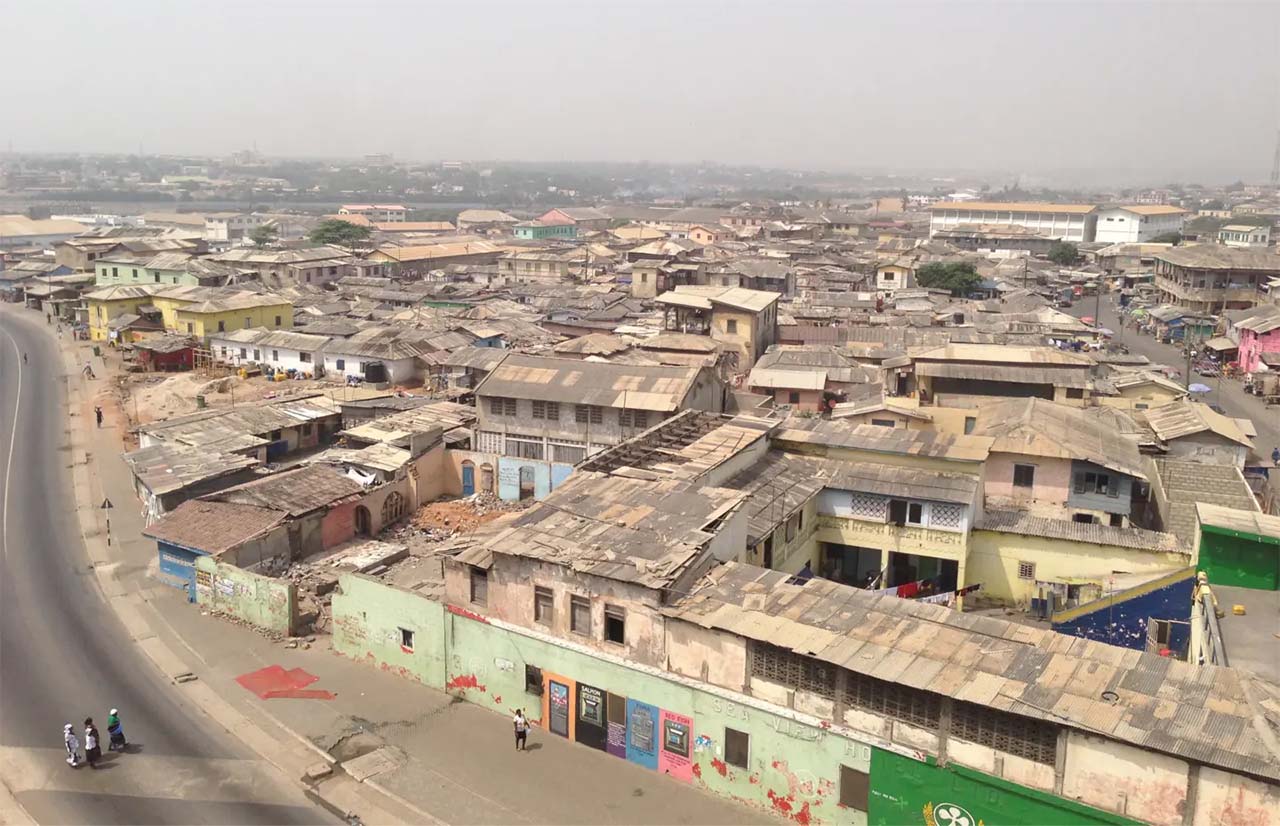
Ga-Mashie, the historic heart of Jamestown, represents Accra’s oldest continuously inhabited neighborhood, established around 1510 by Ga migrants under King Ayi Kushi. This vibrant district offers an authentic portal to pre-colonial fishing traditions and colonial encounters, pulsing with Ga culture amid narrow alleys and oceanfront energy.
Origins and Layout
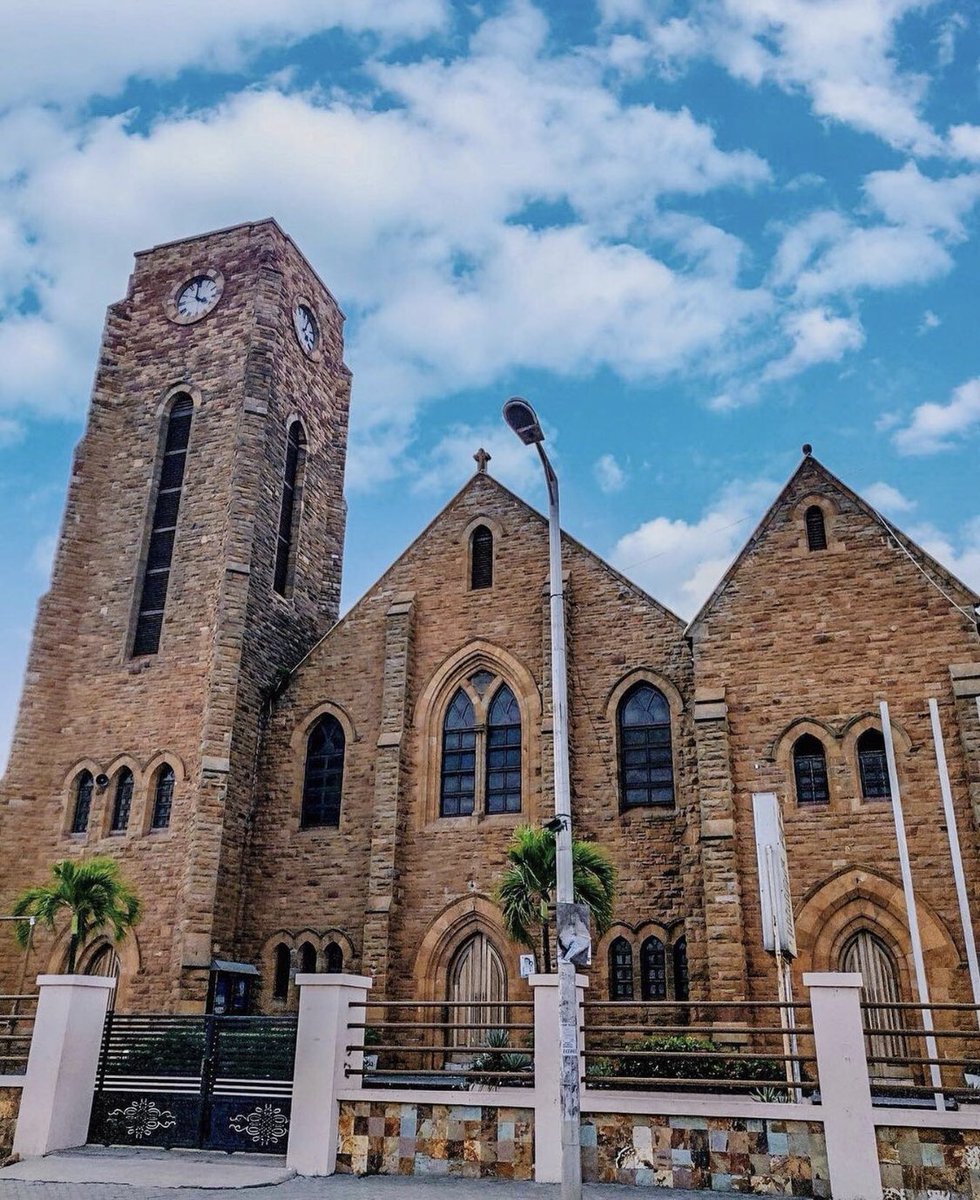
Ga-Mashie divides into quarters—Alata, Sempe, Abola, and Korle—each governed by family houses tracing to 16th-century arrivals from eastern regions. Stone houses from Dutch and British eras cluster around Ussher Fort (1649), blending Ga rectangular architecture with European influences. The district’s maze-like streets preserve communal courtyards where kpanlogo drums echo during Homowo festival preparations.Memory
Daily Life and Heritage
Artisanal fishing defines Ga-Mashie, with canoes launching daily into the Gulf of Guinea near the iconic lighthouse. Street boxing rings, a Ga-Mashie innovation since the 1950s, draw crowds alongside fresh kenkey vendors and cloth dyeing workshops. Colonial remnants like Fort James stand steps from modern mosques and churches, reflecting layered Ga-Danish-British history.thesupercargo+2
Cultural Significance Today
Home to the Ga Mantse (king), Ga-Mashie anchors Accra’s identity as the Ga people’s coastal cradle before Akan and Ewe influxes. Festivals transform streets into dancefloors, while community-led preservation resists harbor expansion threats. Visitors experience raw Ga hospitality, from fish markets to rooftop views linking to Independence Square’s monuments.Memory
| Quarter | Founding Clan | Specialty |
|---|---|---|
| Sempe | Royal house | Ga kingship Memory |
| Alata | Traders | Seafood markets Memory |
| Abola | Fishermen | Canoe building Memory |
| Korle | Lagoon ward | Salt production |
Explore Ga-Mashie on foot from lighthouse to forts, immersing in the chaotic rhythm connecting ancient Ga roots to modern Accra vibrancy.Memory