
Architectural Origins
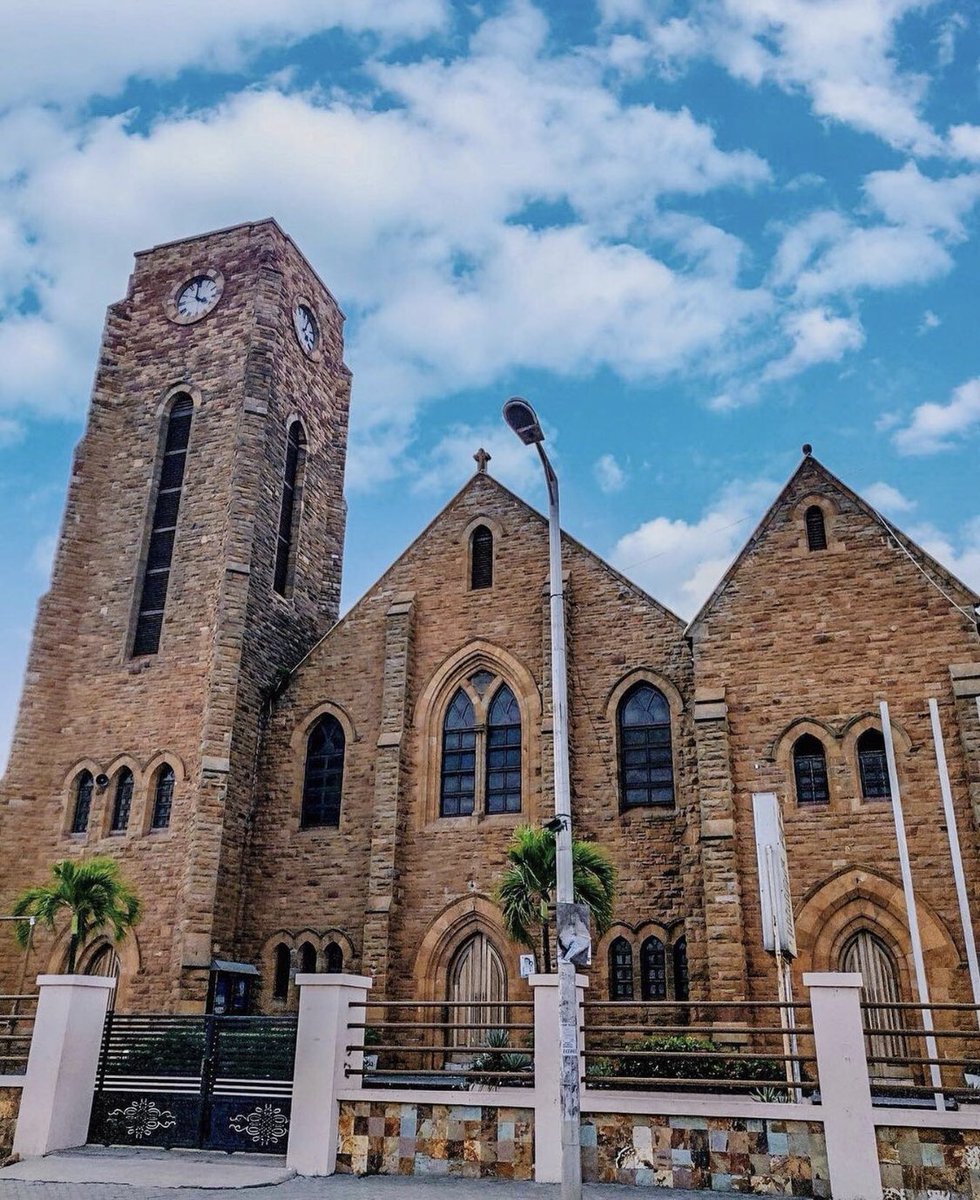
Completed in 1894 and designed by renowned British architect Aston Webb, the cathedral showcases brick Romanesque style with Gothic elements like pointed arches and ribbed vaults. Funded by the colonial government and initially serving British expatriates, it gained cathedral status in 1909 with the Diocese of Accra’s creation. Its red-brick facade stands distinct amid modern banks and markets near Ga-Mashie.colonialarchitectureproject+3
Historical Role
Rooted in 19th-century Anglican missions following Cape Coast’s 1828 church, Holy Trinity hosted royal visits from Queen Elizabeth II and Prince Philip. It evolved from expatriate chapel to multicultural worship center, hosting weddings, funerals, and community events that bridged colonial and independence eras. Stained glass windows and intricate woodwork create serene spaces reflecting Christianity’s spread in Ga coastal communities.ghanaremembers+2
Cultural Presence Today
The cathedral remains the Anglican Diocese of Accra’s spiritual heart, supporting education, healthcare, and social initiatives alongside nearby National Museum exhibits. Visitors admire its craftsmanship during services or quiet reflection, connecting to Independence Square’s independence narrative just blocks away.airial+1
| Feature | Style/Designer | Historical Note |
|---|---|---|
| Brick Facade | Romanesque-Gothic | Aston Webb, 1894 wikipedia |
| Arches & Vaults | Pointed design | Colonial funding colonialarchitectureproject |
| Stained Glass | European motifs | Royal visits gpsmycity |
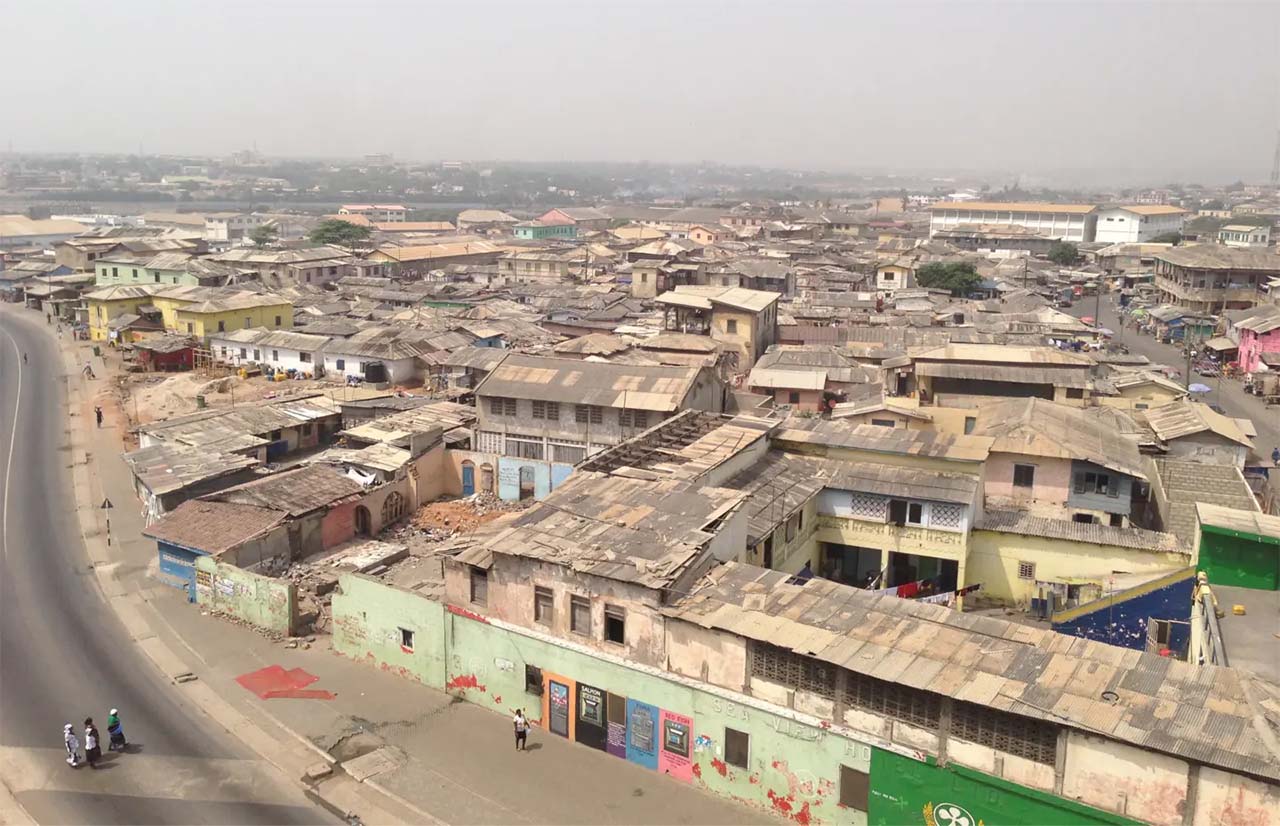
Pair with Ga-Mashie walks to experience layered Accra—from ancient fishing quarters to this Victorian sacred space.Memory